The Best Pour Over Coffee Makers in the UK for 2026
Ask competition baristas how they brew at home and the answer is rarely a bean-to-cup appliance.
The Best Pour Over Coffee Makers in the UK for 2026
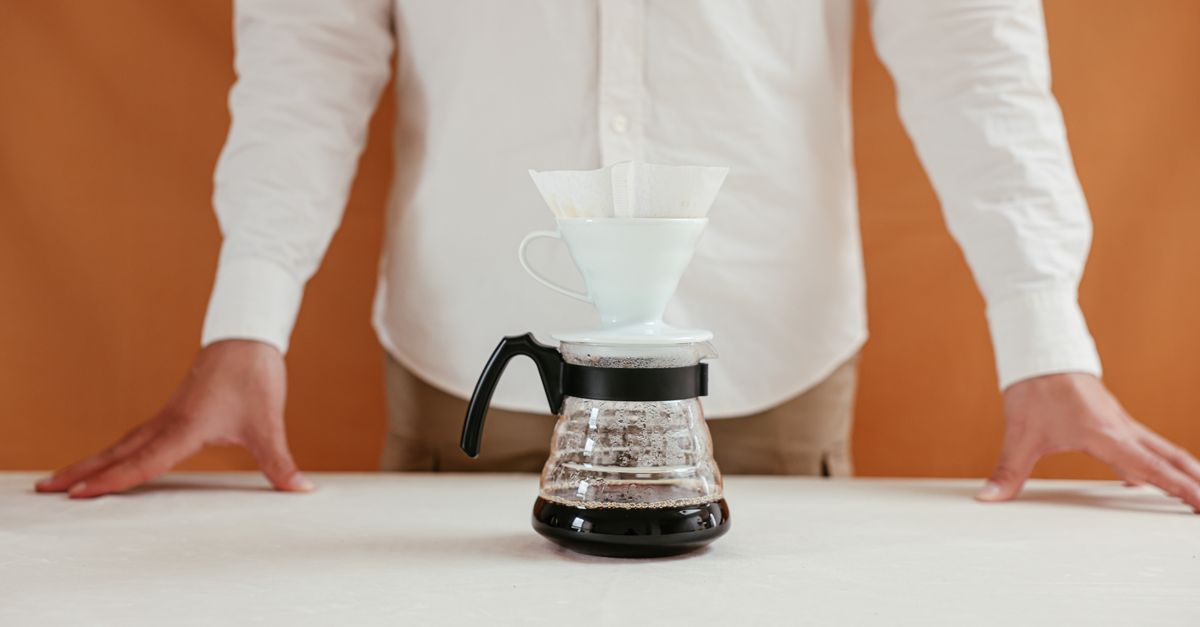
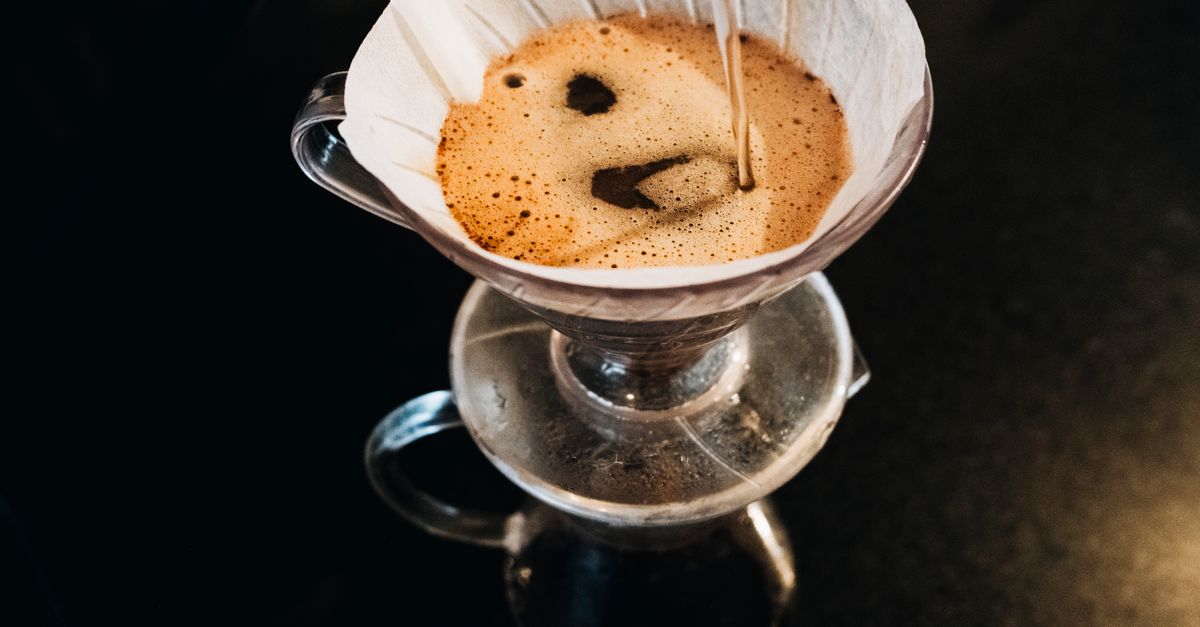
Ask competition baristas how they brew at home and the answer is rarely a bean-to-cup appliance. More often it is a pour over cone, a paper filter and a kettle with a long, thin spout. Pour over coffee — sometimes called filter coffee or hand-brew — is the simplest route to a clean, sweet, aromatic cup, and it happens to be one of the most affordable ways to drink serious coffee in the UK. No electricity is required, barely any counter space is taken up, and the equipment costs a fraction of what even an entry-level espresso machine demands.
This guide compares the best pour over coffee makers available to UK buyers in 2026, focusing on the five manual drippers that dominate speciality coffee on both sides of the Atlantic: the Hario V60, the Hario Switch, the Chemex, the Kalita Wave and the Origami Dripper. Each has its own character, from the fast-draining conical cone to the thick-papered glass Chemex, and each suits a different kind of brewer. We have weighed up manufacturer specifications, aggregated Amazon UK owner reviews, and expert commentary from publications including Coffee Chronicler and Coffee Blog to help you decide which one deserves a place on your kitchen counter.
Editorial note: Research-based guide; no hands-on testing. Picks based on manufacturer spec sheets, Amazon UK owner-review data, and expert publications named below.
Affiliate disclosure: This article contains affiliate links. If you click through and make a purchase, we may earn a commission at no extra cost to you. This never influences our recommendations.
Prices and stock verified 10 June 2026.
At a Glance: The Best Pour Over Coffee Makers in the UK
| Dripper | Best for | Material options | Brewing capacity | Filter type | Approx. UK price |
|---|---|---|---|---|---|
| Hario V60 02 | Best overall — benchmark flavour clarity in a single mug | Plastic, ceramic, glass or metal | Around 360 ml | Hario 02 conical | Around £10–£35 |
| Hario Switch 02 | Most forgiving for beginners — steep, then release | Glass with silicone flow-control valve | Around 360 ml | Hario 02 conical | Around £45–£55 |
| Chemex 6-Cup | Brewing three to four mugs at once | Borosilicate glass | Around 900 ml | Chemex bonded FS-100 | Around £45–£65 |
| Kalita Wave 185 | Balanced, sweeter flat-bottom cups | Ceramic, steel or glass | Around 500 ml | Kalita Wave 185 flat-bottom | Around £30–£55 |
| Origami Dripper M | Versatility — takes two different filter shapes | Ceramic or resin | Around 400 ml | Hario 02 or Kalita Wave 185 | Around £45–£75 |
All five brewers are passive devices: heat the water, pour it over the grounds, and let gravity do the rest. The differences come down to filter geometry, brewing capacity and how much technique each one demands. The sections below explain those differences in detail, but the short version is this — the V60 rewards skill with exceptional clarity, the Switch removes most of the skill barrier, the Chemex is the batch brewer, the Kalita is the balanced all-rounder, and the Origami lets you switch between brewing styles with a single dripper.
Why Choose a Pour Over Coffee Maker?
Pour over coffee is not the same as an Americano, and it is not the same as a cafetière brew. A cafetière leaves fine sediment in the cup and produces a full-bodied, heavier mouthfeel. An espresso-based Americano adds bitterness and body from a pressurised extraction. Pour over, by contrast, passes water through a paper filter that traps virtually all the grounds and most of the oils, leaving a bright, clean, tea-like cup in which delicate flavour notes — florals, fruit, chocolate — can actually be tasted. It is the brewing style that best reveals a coffee’s origin character, which is why speciality cafés and roasters treat it as the default way to showcase a new harvest.
It is also one of the most affordable ways to brew seriously good coffee. A dripper costs far less than even a budget espresso machine, and the ongoing costs are simply paper filters and freshly roasted beans. The trade-off is control: you are the machine. Water temperature, pour speed and grind size all sit in your hands rather than in a programme menu, which is exactly why a forgiving brewer such as the Hario Switch is so valuable when you are starting out.
There is also a practical, very British argument for pour over: it takes up almost no space, needs no power socket, and produces no more mess than a rinsed cone and a discarded paper filter. For a household that already owns a kettle, the barrier to entry is remarkably low.
Who should NOT buy one: Be honest about your habits before you commit. If you want one-touch convenience first thing in the morning, or if you drink exclusively milk-based espresso drinks such as flat whites and lattes, a pour over dripper will frustrate rather than delight. Pour over brewers cannot steam milk and they will not brew themselves; they are for people who enjoy, or are willing to learn, a short hands-on ritual.
A Short History: From Melitta to the Third Wave
A little context explains why one name keeps dominating these guides. The German housewife Melitta Bentz patented the first paper filter cone in 1908, giving coffee drinkers a way to remove grounds and sediment completely rather than drinking them in the cup. The Chemex — that waist-pinched glass vessel — followed in 1941, and it remains in production largely unchanged today.
The modern speciality wave, however, began with a Japanese design. Hario launched the V60 around 2005, and the cone gained serious global traction among speciality brewers from around 2011. It is a defensible claim, and one made explicitly by Asser Christensen — a licensed Q Arabica Grader, a professional sensory-evaluation credential in the coffee trade, and the founder of the speciality-coffee site Coffee Chronicler (retrieved 10 June 2026) — that no other dripper did more to popularise speciality hand-brewing from that point onward. The V60’s dominance matters when you shop, because it means the largest choice of accessories, filters and tutorial content of any brewer on this list.
How to Choose a Pour Over Dripper
All five of these brewers make excellent coffee, but they make noticeably different cups. Four factors separate them.
1. Filter Shape and Flow Rate
The most important difference between brewers is the geometry of the filter. Conical filters — found in the Hario V60 and the Origami Dripper — have a large opening at the bottom that lets water flow through quickly. A faster flow means shorter contact between water and coffee, which produces a crisp, delicate, tea-like cup with pronounced acidity and clarity. Flat-bottom filters, found in the Kalita Wave, spread the coffee across a level bed and slow the flow. That slower drainage extends contact time and promotes a more even extraction, giving a sweeter, heavier-bodied result. The Chemex sits apart from both: it uses its own thick, bonded paper, which removes more oil and sediment than almost any other filter, producing an exceptionally clean cup. None of these is “better” — they are different flavour profiles, and many households end up owning two.
2. Material and Heat Retention
Drippers are made from plastic, glass, ceramic and steel, and the material affects how much heat reaches the coffee. Plastic versions are cheap, virtually unbreakable, and are widely reported among home brewers on forums such as r/coffee and Home-Barista.com (retrieved 10 June 2026) to hold brew temperature well in practice; the usual explanation offered is that plastic’s low thermal mass absorbs little heat from the slurry. Ceramic and glass look lovelier on the counter, but they act as heat sinks: unless they are pre-heated, they will steal warmth from your brew. The standard barista guidance — given by James Hoffmann in The World Atlas of Coffee (2nd edition) and across his YouTube guides — is to rinse ceramic and glass brewers with hot water for 30–60 seconds before brewing. That rinse doubles as a way to pre-wet the paper filter and remove any papery taste. Steel offers durability somewhere between the two.
3. Brewing Capacity
Ask yourself how much coffee you actually drink in one sitting. A single-serve dripper like the Hario V60 02 brews around 360 ml — one generous mug or two small cups. The Kalita Wave 185 stretches to around 500 ml, or roughly two mugs. The Origami M sits between them at around 400 ml. If you regularly brew for a partner, visitors, or a whole office, the Chemex 6-Cup is the clear answer: its around 900 ml capacity translates into three to four standard UK mugs, despite the “6-Cup” name (the measure refers to the smaller 150 ml coffee cups of the US tradition, not British mugs).
4. Running Costs
The brewer is the cheap part; the filters are the ongoing expense. As of June 2026, typical Amazon UK prices are: around £7–£9 for a 100-pack of Hario V60 02 papers; around £10–£13 for a 100-pack of Kalita Wave 185 papers; and around £10–£14 for a 100-pack of Chemex FS-100 papers. The Hario Switch uses the same V60 02 papers as the standard V60, and the Origami accepts either Hario 02 or Kalita Wave 185 sheets, so its running cost depends on which filter style you choose. At one or two brews a day, a 100-pack lasts most households well over a month, which makes the annual cost modest whichever brewer you pick.
5. Where to Buy in the UK
The speciality-coffee retail scene in the UK is strong, and you are not limited to the big marketplace. Amazon UK, HasBean, Square Mile Coffee, Coffee Hit and Rave Coffee all stocked the V60, Chemex and Kalita ranges as of 2026, and most of them sell filters and gooseneck kettles alongside. Buying from a specialist roaster rather than a general marketplace often brings the chance to add freshly roasted beans to the same basket, and their staff are generally happy to advise on grind size.
The Five Best Pour Over Coffee Makers Reviewed
Hario V60 02 — The Best Overall for Flavour Clarity
Best for: home brewers who want the brightest, cleanest, most delicate cup possible and are willing to practise their technique. The V60 is the dripper that reshaped speciality coffee after around 2011, and it remains the reference point against which every other manual brewer is judged.
Key specs:
- Capacity: around 360 ml — one generous mug or two smaller cups
- Material options: plastic, ceramic, glass or metal, with the plastic version typically around £10 and the glass or metal versions approaching around £35
- Filter type: Hario 02 conical paper, around £7–£9 per 100 on Amazon UK
- Approx. price: around £10–£35 depending on material
The V60’s large single opening at the bottom of the cone lets water drain quickly, producing the crisp, tea-like clarity that speciality coffee drinkers prize. It is also the best-supported brewer in the world: countless tutorials, pouring guides and recipes exist precisely because so many people own one.
The honest caveat is that the V60 is the least forgiving brewer here. Inconsistent pouring or an uneven grind will produce an uneven extraction, and the ceramic and glass versions need that 30–60 second hot-water rinse before brewing. Most Amazon UK owner reviews recommend learning with the plastic version first, since it needs no pre-heating and costs the least.
Verdict: Still the dripper to beat for sheer flavour clarity; just expect a short learning curve.
Where to buy: Amazon UK, HasBean, Square Mile Coffee, Coffee Hit and Rave Coffee all carried the V60 range as of 2026. Prices and stock verified 10 June 2026.
Hario Switch 02 — The Most Forgiving Brewer for Beginners
Best for: newcomers who want V60-style quality without the V60-style pressure, and for anyone who likes the idea of steeping coffee like a cafetière but with the clean finish of paper filtration.
Key specs:
- Capacity: around 360 ml
- Materials: glass brewer body with a silicone flow-control valve in the base
- Filter type: standard Hario 02 conical papers — the same around £7–£9 per 100 as the regular V60
- Approx. price: around £45–£55
The Switch is a V60 with a clever twist: a silicone valve in the base that lets you close the drain, pour in your water and coffee, and let the grounds steep immersion-style for as long as you like. When the brew is ready, you simply open the valve and let the coffee drain through the paper filter into your cup. This steep-and-release action is why the Switch is the most forgiving brewer for beginners — during the immersion phase, pour technique barely matters, because the water and coffee are doing the extraction work together rather than relying on your pouring accuracy.
It is effectively two brewers in one: use it with the valve open as a standard V60, or with the valve closed for a hybrid brew that combines the body of immersion with the clarity of paper filtration. The caveats are price — it costs noticeably more than a standard V60 — and the glass body, which needs careful handling and that 30–60 second pre-heat rinse for best results.
Verdict: The easiest route to genuinely speciality-grade filter coffee, and the brewer we’d hand to any beginner without hesitation.
Where to buy: Amazon UK typically stocks the Switch, and it appears alongside the V60 range at UK specialists such as HasBean and Coffee Hit. Prices and stock verified 10 June 2026.
Chemex 6-Cup — The Best for Brewing Several Mugs at Once
Best for: households that regularly brew for three or four people, and anyone who wants a beautiful object on the counter that works as well as it looks. The Chemex has been in continuous production since 1941, and its elegant one-piece borosilicate glass body makes it as much a serving vessel as a brewer.
Key specs:
- Capacity: around 900 ml — three to four standard UK mugs
- Material: one-piece borosilicate glass
- Filter type: Chemex bonded FS-100 papers, around £10–£14 per 100 on Amazon UK
- Approx. price: around £45–£65
The Chemex is defined by its filter as much as its glass. According to the manufacturer’s spec page on chemexcoffeemaker.com (retrieved 10 June 2026), the proprietary FS-100 papers are 20–30% heavier than standard filter paper, and Chemex states that this denser paper removes more of the oils that can make coffee taste bitter and muddy. The result is an exceptionally clean, light-bodied cup — arguably the clearest of any brewer on this list.
Brewing 900 ml does take patience: the thick filter slows drainage, and a full batch can take several minutes to drip through, so it is not the brewer for someone in a hurry. The glass body also needs respectful handling and a stable surface, and the brewer should be rinsed with hot water for 30–60 seconds before brewing to stop the glass from stealing heat.
Verdict: A design icon that doubles as a genuinely practical batch brewer for entertaining.
Where to buy: Amazon UK, HasBean, Square Mile Coffee, Coffee Hit and Rave Coffee all carried the Chemex range as of 2026. Prices and stock verified 10 June 2026.
Kalita Wave 185 — The Best for Balanced, Sweet Cups
Best for: drinkers who find the V60’s bright acidity a little sharp and prefer a rounder, sweeter, more full-bodied cup, and for home brewers who want consistent results without obsessing over pour technique.
Key specs:
- Capacity: around 500 ml — roughly two mugs
- Material options: ceramic, steel or glass
- Filter type: Kalita Wave 185 flat-bottom papers, around £10–£13 per 100 on Amazon UK
- Approx. price: around £30–£55
The Kalita Wave’s flat-bottom filter bed is the opposite of the V60’s cone. Instead of funnelling water to a single opening, the flat bed spreads the coffee evenly and slows the flow, which creates a more even extraction and a sweeter, heavier-bodied result with less acidity. This makes the Wave particularly forgiving of slightly inconsistent pours, because the water has nowhere to channel — it sits evenly across the whole bed and drips through at a steady, even pace.
The main caveat is cost and compatibility: the Kalita papers are more expensive than Hario papers, and the 185 brewer only takes its own specific flat-bottom sheets, so you cannot substitute a V60 cone filter in an emergency. It is also a smaller brewer than the Chemex, at around 500 ml, so it suits one or two drinkers rather than a crowd.
Verdict: The most balanced and approachable brewer here, delivering sweet, even cups with minimal fuss.
Where to buy: Amazon UK, HasBean, Square Mile Coffee, Coffee Hit and Rave Coffee all carried the Kalita range as of 2026. Prices and stock verified 10 June 2026.
Origami Dripper M — The Best for Versatility and Experimentation
Best for: coffee enthusiasts who want one beautiful dripper capable of producing two distinct cup profiles, and anyone who enjoys experimenting with filters.
Key specs:
- Capacity: around 400 ml — one to two mugs
- Material options: ceramic or resin
- Filter type: accepts both Hario 02 conical papers and Kalita Wave 185 flat-bottom papers
- Approx. price: around £45–£75
The Origami is the most unusual brewer on this list because it refuses to pick a side in the conical-versus-flat debate. Its ribbed, origami-inspired body is designed to accept both the Hario 02 conical filter and the Kalita Wave 185 flat-bottom filter, which means a single dripper can produce a fast, crisp, tea-like cup (with the Hario paper, as the cone drains quickly) or a slower, sweeter, more even cup (with the Kalita paper, which spreads the flow across the flat bed). Switching between the two is as simple as changing a paper filter.
The caveats are price and availability. At around £45–£75 it is one of the more expensive drippers here, and it is less universally stocked than the Hario and Chemex lines, so Amazon UK and specialist coffee retailers are your best starting points. The ceramic version also needs the usual 30–60 second hot-water pre-heat rinse to perform at its best.
Verdict: A stunning, flexible dripper that puts the choice of cup character in your hands.
Where to buy: Amazon UK and specialist coffee retailers stock the Origami, though it is less universally available than the other brewers here. Prices and stock verified 10 June 2026.
Frequently Asked Questions
Do I need a gooseneck kettle for pour over?
You can brew perfectly good coffee with a standard kettle if you pour slowly and steadily, but a gooseneck’s narrow spout is the difference between pouring and aiming. The slow, controlled stream it produces lets you saturate the coffee grounds evenly and pulse water without disturbing the bed, which is why most pour over recipes assume you have one. If you already own a normal kettle, try it first and upgrade only if you find the pour hard to control.
What’s the difference between the Hario V60 and the Chemex?
Both produce clean, paper-filtered cups, but they suit different situations. A V60 02 brews a bright, delicate single mug of around 360 ml with fast-draining thin conical paper, while the Chemex 6-Cup produces around 900 ml — three to four UK mugs — through its bonded FS-100 papers, which are 20–30% heavier and remove more oils for an exceptionally clean, lighter-bodied result. The V60 is cheaper to buy and cheaper to feed with filters; the Chemex is the better choice when you are brewing for company.
Is pour over better than a cafetière?
Not universally — it depends on the cup you want. A cafetière gives a full-bodied, heavier mouthfeel with fine sediment in the bottom of the cup, because its metal mesh lets the coffee’s natural oils through. Pour over removes virtually all oils and sediment with paper, giving a brighter, sweeter, more aromatic cup that shows off a coffee’s origin character. If you value body and a quick, forgiving brew, the cafetière remains excellent; choose pour over when flavour clarity is the priority.
Does a pour over coffee maker need electricity?
No — none of the brewers in this guide contains a heating element, a pump or any wiring. They are passive cones and vessels that rely on gravity, so the only electric component in most set-ups is the kettle used to boil water. That makes pour over ideal for camping trips, caravans, office desks and anywhere else where counter space or power sockets are scarce; as long as you can heat water, you can brew.
Which dripper is most forgiving for beginners?
The Hario Switch 02 is the most forgiving brewer for beginners, because its silicone valve lets you steep the coffee immersion-style with the drain closed, then open the valve to release it into your cup. That removes most of the technique from the equation — a slightly uneven pour matters far less when the water and coffee are sitting together rather than draining through in real time. It costs around £45–£55, but for many buyers that premium is worth it to avoid the frustration of a standard V60’s early learning curve.
How much coffee can each dripper make?
The Hario V60 02 and Hario Switch 02 both brew around 360 ml, which is one generous mug or two smaller cups; the Origami Dripper M stretches to around 400 ml and the Kalita Wave 185 to around 500 ml, or roughly two mugs. If you need more than that, the Chemex 6-Cup is the only brewer here that can serve a group, producing around 900 ml or three to four standard UK mugs. For a full pot of filter coffee, you would be looking at the Chemex and nothing else on this list.
How much does a pour over coffee maker cost to run?
The running costs are just paper filters and coffee beans. Typical Amazon UK prices as of June 2026 are around £7–£9 per 100 for Hario V60 02 papers, around £10–£13 per 100 for Kalita Wave 185 papers, and around £10–£14 per 100 for Chemex FS-100 papers. At one or two brews a day, a 100-pack lasts most households well over a month, so the annual cost is modest no matter which brewer you choose.