Instant Coffee vs Ground Coffee UK: An Honest Comparison
How instant coffee is actually made, how it differs from ground on taste, caffeine and cost, and when each one is genuinely the better choice.
Instant Coffee vs Ground Coffee UK: An Honest Comparison
The instant-versus-ground argument usually gets settled by snobbery rather than by looking at what each one is for. They are the same crop processed differently, and each wins clearly in some situations. This guide is based on desk research: manufacturer specifications, UK retailer listings and published coffee references rather than first-hand testing. Below you will find how instant is made, where the real differences are, and a straight answer on which to buy for what.
Quick Comparison
| Instant | Ground | |
|---|---|---|
| What it is | Brewed coffee, dehydrated | Roasted beans, milled |
| Preparation | Add hot water | Needs a brewer and technique |
| Time | Seconds | 4–5 minutes |
| Cost per cup | Pennies | Meaningfully more |
| Shelf life | Very long | Weeks after roasting |
| Aroma | Reduced | Full |
| Waste | Sachet or nothing | Wet grounds |
How Instant Is Actually Made
This is the bit that explains everything else. Instant coffee is coffee: beans are roasted, ground and brewed at scale, and then the water is removed, leaving soluble solids that redissolve in your mug.
The removal method is what matters:
Spray-drying atomises the brewed concentrate into a tower of hot air. The water flashes off and powder falls out. Cheap, fast, and hard on aromatics — heat drives off exactly the volatile compounds that make coffee smell good.
Freeze-drying freezes the concentrate, then removes the ice under vacuum by sublimation, at low temperature. Far gentler, retains much more aroma, and correspondingly more expensive. This is what supermarket “gold” ranges and specialty instant use.
So “instant tastes worse” is really “instant has had its aromatics driven off, to a degree that depends on how it was dried”. A good freeze-dried single-origin is closer to filter coffee than most people expect.
Where the Real Differences Are
Aroma, more than taste. Most of what we call flavour in coffee is smell. Grinding beans releases a burst of volatiles that instant simply cannot reproduce, because they left during processing. This is why fresh ground smells dramatically better even when the brewed difference is smaller.
Freshness behaves oppositely. Ground coffee is at its best within roughly a month of roasting and stales noticeably after opening. Instant is essentially stable — it is already dehydrated, so an unopened jar keeps for a very long time. For a cupboard used occasionally, instant is genuinely the better product.
Caffeine is broadly comparable, slightly lower for instant. A typical instant serving lands a little below a typical filter cup, but brew strength, dose and cup size swamp that difference in practice. If caffeine is the reason you are choosing, the variable that matters is how much coffee you use, not which form.
Cost per cup is not close. Instant is pennies. Ground from a roaster is several times that. Specialty instant sachets sit in between, or above, depending on the brand.
Waste differs. Ground coffee leaves wet grounds — compostable at home, awkward on a hill. Instant leaves a sachet or nothing.
When Each One Wins
Instant is the right answer for:
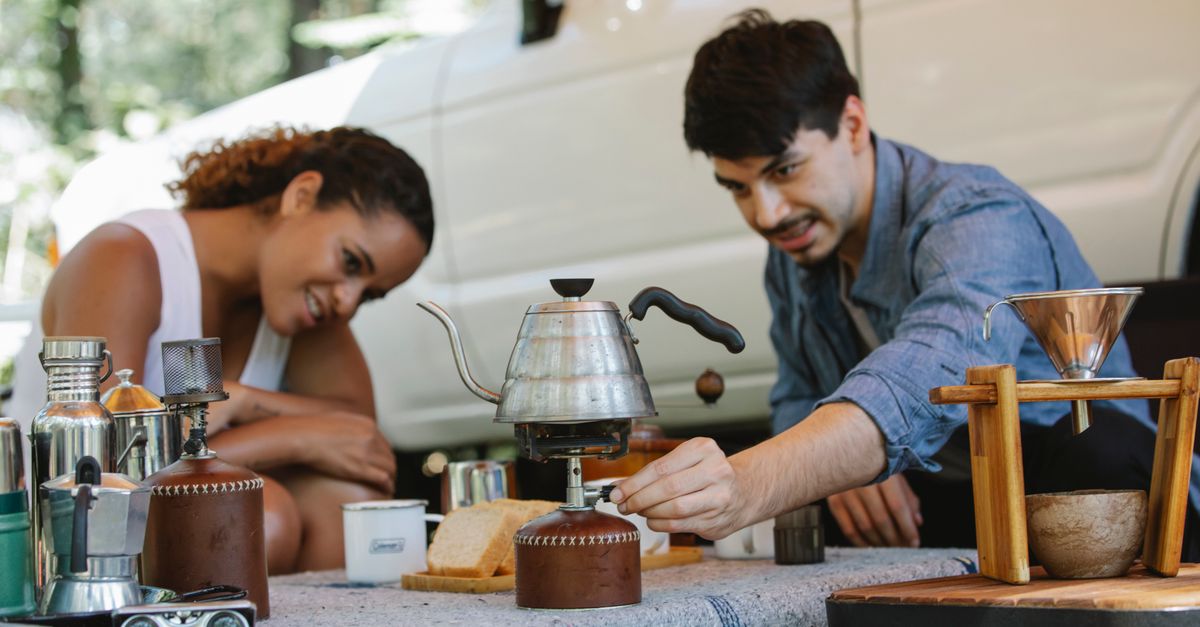
- Camping and hiking, where weight, cleaning and waste all matter
- An office drawer or a cupboard used once a fortnight
- Anyone who wants one cup quickly without equipment
- Cooking and baking, where coffee is a flavouring rather than a drink
Ground is the right answer for:
- Anyone who drinks coffee daily and cares how it tastes
- Any brewing method — cafetiere, filter, AeroPress, espresso — where the technique is part of the point
- Situations where the smell of coffee is part of the experience, which is more of them than people admit
The middle ground: coffee bags give you real grounds with no equipment, and specialty freeze-dried sachets give you good coffee with no equipment and no waste. Both are legitimate answers rather than compromises.
If You Are Buying Ground
Two things matter more than which bag you choose:
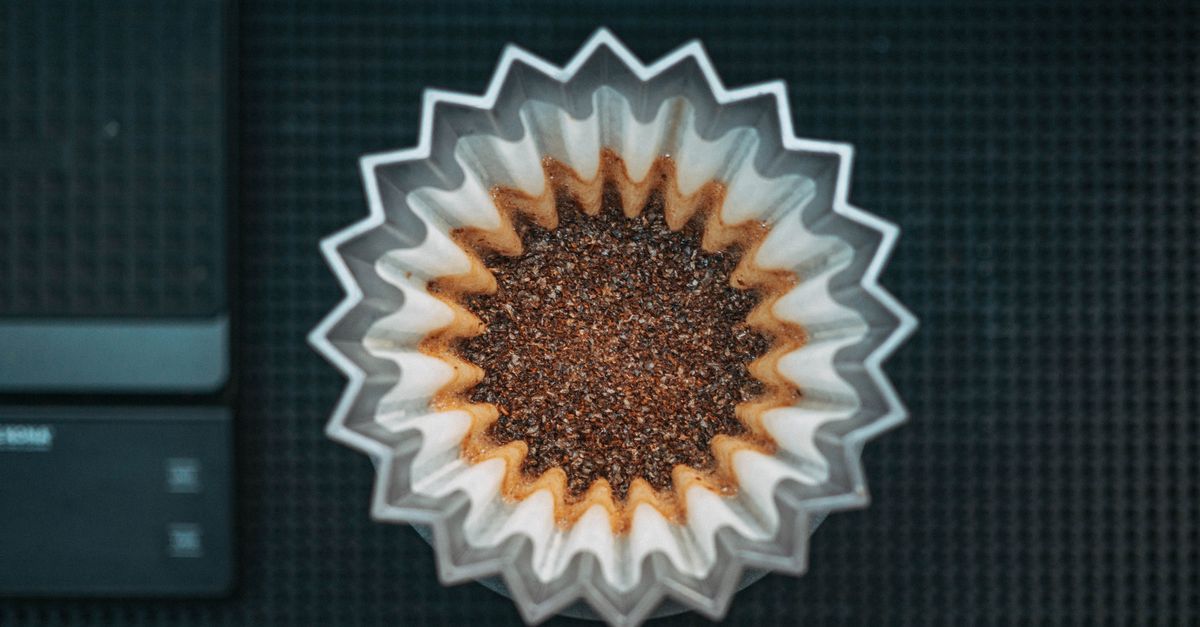
Grind for the method. Cafetiere wants coarse, roughly the texture of coarse sea salt. Filter wants medium, about table salt. Espresso wants fine. Most supermarket pre-ground is milled for drip machines, which is too fine for a cafetiere and over-extracts into bitterness.
Look for a roast date, not a best-before. A roast date tells you something; a best-before a year out does not. Buying 250g at a time keeps you inside the useful window.
If You Are Buying Instant
Freeze-dried, not spray-dried — the jar usually says.
Try a specialty sachet once before deciding the category is not for you. The gap between the cheapest granules and a good single-origin freeze-dried is much larger than most people assume.
Store it dry and sealed. Instant is hygroscopic; it clumps and dulls once it has taken up moisture.
FAQ
Is instant coffee real coffee? Yes. It is coffee that has been roasted, ground, brewed and then dehydrated, so the powder redissolves into brewed coffee. The difference is that removing the water also removes aromatics, especially in spray-dried products. Freeze-dried instant keeps far more of them, which is why it tastes noticeably better.
Does instant coffee have less caffeine than ground? Slightly, in a typical serving, but the difference is small and easily swamped by how much you use and how big your cup is. If caffeine content is your concern, dose is the variable that matters far more than whether the coffee is instant or ground.
Why does ground coffee taste better? Mostly aroma. Most perceived flavour in coffee comes from smell, and grinding beans releases volatile compounds that instant lost during processing. Freshness compounds it: ground coffee is at its best within about a month of roasting, while instant is already stable and does not improve.
Is instant coffee cheaper than ground? Considerably — pennies per cup against several times that for coffee from a roaster. Specialty freeze-dried sachets sit higher, roughly a pound or two per serving, which still costs little over a weekend and is the version most likely to change someone’s mind about instant.