Best Instant Coffee for Camping UK: Weight, Waste and What Changed
Instant coffee has got genuinely good, and for camping it beats every alternative on weight and waste. A UK guide to specialty instant and the trade-offs.
Best Instant Coffee for Camping UK: Weight, Waste and What Changed
Instant coffee used to be the thing you tolerated on a hill. That has changed, because a handful of roasters now freeze-dry single-origin coffee into sachets that taste like coffee rather than like instant. For camping the case is strong and simple: nothing else weighs so little, needs no equipment, and leaves no wet grounds to carry out. This guide is based on desk research: manufacturer specifications, UK retailer listings and owner reviews rather than first-hand testing. Below you will find why instant suits camping specifically, what separates good from bad, and the alternatives worth comparing.
Quick Picks
| Best for | Type | Why we picked it |
|---|---|---|
| Best all-round | Specialty freeze-dried sachets | Genuinely good coffee, single-serve, near-zero weight |
| Best value | Supermarket freeze-dried gold-style jar | Decant into a small pot; pennies per cup |
| Best if you want more | Coffee bags | Brew like tea, closer to ground coffee, still no kit |
Why Instant Wins on a Camping Trip
Weight and bulk. A week of coffee is a handful of sachets. A cafetiere is a rigid object you have to protect, and even an AeroPress is a real item in a pack.
No waste to carry. This is the underrated one. Wet coffee grounds are heavy, they leak, and under Leave No Trace principles they come home with you. Instant leaves nothing but a foil sachet.
No cleaning. No mesh to rinse in a burn, no grounds to knock out. In cold weather that matters more than it sounds.
Water temperature is forgiving. A pour-over or cafetiere wants water just off the boil and a controlled pour. Instant dissolves in whatever your stove produced.
It works in a mug, in gloves, in wind. Which is the actual test.
What Separates Good Instant From Bad
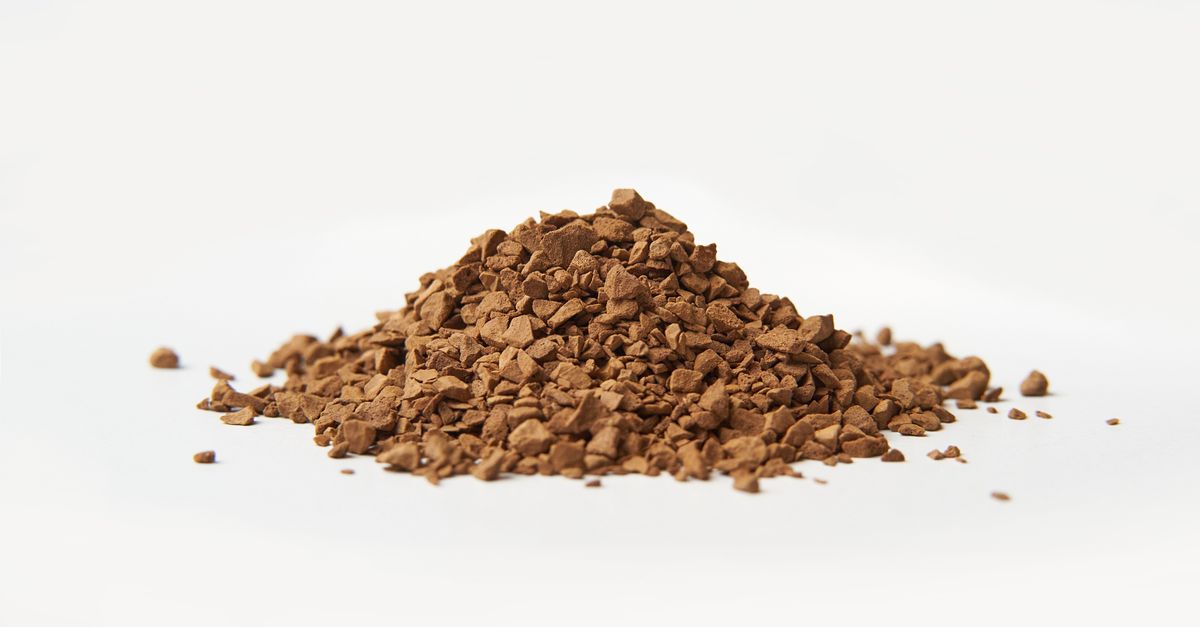
Freeze-dried beats spray-dried. Spray-drying blasts brewed coffee through hot air, which is cheap and strips aromatics. Freeze-drying removes water at low temperature and keeps far more of the volatile compounds that make coffee smell like coffee. Supermarket “gold” ranges are generally freeze-dried; the cheapest granules generally are not. Check the jar — it usually says.
Specialty instant is a real category now. Several small roasters, including UK ones, freeze-dry good single-origin coffee into single-serve sachets. It costs meaningfully more per cup — roughly a pound or two rather than pennies — and the gap in the cup is obvious. For a weekend where four coffees are the whole supply, the total cost is trivial.
Single-serve sachets versus a jar. Sachets are dose-controlled, waterproof and survive being crushed. A jar is far cheaper but is a rigid container that can crack and admit moisture. A middle path many people use: decant supermarket freeze-dried into a small screw-top pot.
Watch for added milk powder and sugar. Three-in-one sticks are a different product and a divisive one. Read the label if you want black coffee.
The Alternatives, Honestly Compared
Coffee bags. Ground coffee in a teabag-style sachet. Brew in the mug, squeeze, bin the bag. Closer to real coffee than instant, still no equipment — but you are carrying out a wet bag, which is the thing instant avoids.
AeroPress. Excellent coffee, genuinely portable, and popular with campers for good reason. But it is an object, it needs filters, and it needs rinsing and drying.
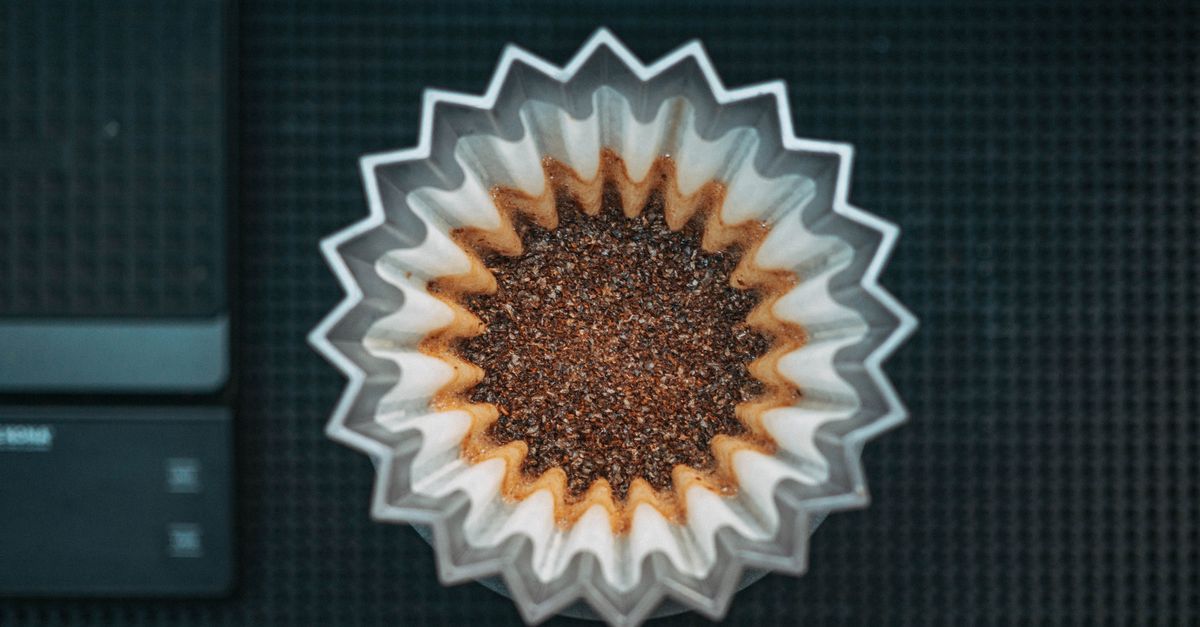
Pour-over dripper. Collapsible plastic or silicone cones weigh little, but you need filters, a controlled pour and water at the right temperature — and windy conditions make a mess of the technique.
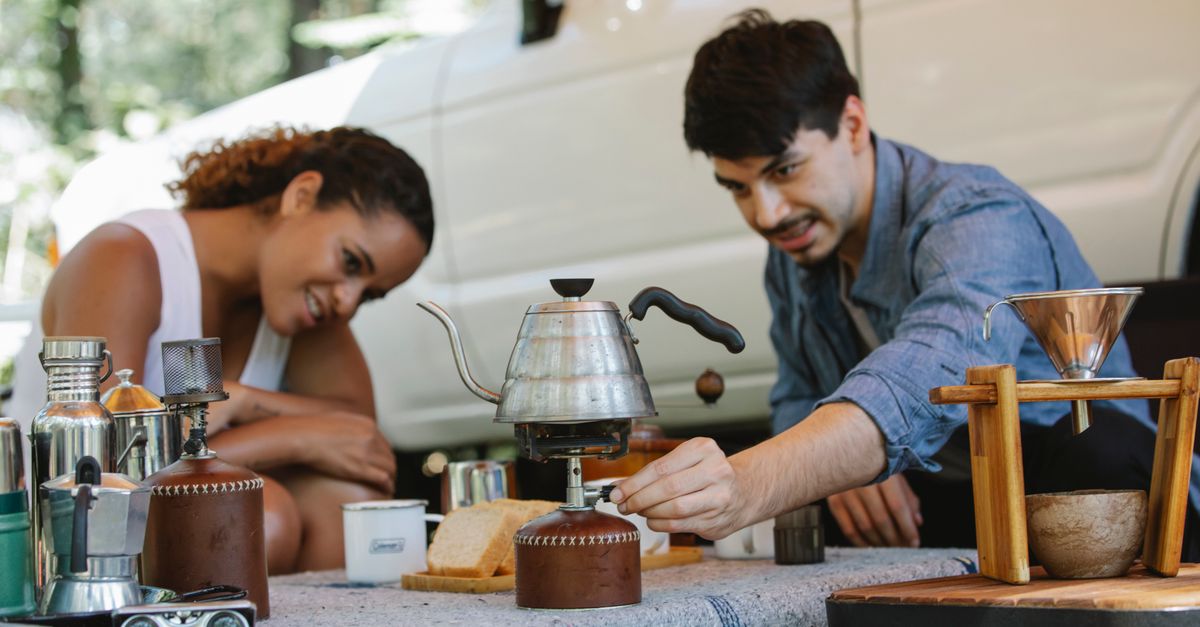
Cafetiere. Great coffee, wrong shape for a rucksack. Fine for a campervan or a car-camping table, not for a pack.
Moka pot. Strong coffee, needs a stove and a stable surface, and it is metal and heavy. A car-camping item.
The honest summary: if you are car camping, bring proper coffee and the kit for it. If you are carrying everything on your back, instant is the rational answer and specialty instant removes the reason people resisted it.
Practical Notes for the Hill
Pre-portion at home. Sachets do this for you; if using a jar, count out doses into a small pot so you are not fishing about with a spoon in the dark.
Water quality matters more than you expect. Peat-stained hill water makes any coffee taste of the moor. Filtering helps as much as the coffee choice does.
Insulated mug, not a cold one. A titanium mug loses heat almost instantly. This affects the drink more than instant-versus-ground does.
Take one more than you think. Coffee is morale, and coffee is light.
FAQ
Is instant coffee good enough for camping? Modern freeze-dried instant is considerably better than its reputation, and specialty single-origin instant sachets from small roasters are genuinely good coffee. For carrying on your back it beats every alternative on weight, needs no equipment, requires no cleaning and leaves no wet grounds to carry out.
What is the difference between freeze-dried and spray-dried instant? Spray-drying pushes brewed coffee through hot air, which is cheap but destroys much of the aroma. Freeze-drying removes the water at low temperature and keeps far more of it, which is why freeze-dried tastes noticeably better. Supermarket “gold” ranges are usually freeze-dried; the cheapest granules usually are not.
Are coffee bags better than instant for camping? They taste closer to real coffee, since they contain actual grounds, and need no equipment. The trade-off is that you carry out a wet, heavy bag afterwards — which is exactly the problem instant avoids. For a day trip, bags are lovely; for a multi-day pack, instant usually wins.
How much instant coffee should I take? One sachet or one heaped teaspoon per mug, and take one more day’s worth than your trip length. It weighs almost nothing and running out on a cold morning is disproportionately miserable. Pre-portion into a small screw-top pot if you are decanting from a jar.