Philips Coffee Machine: UK Buyer's Guide for 2026
Philips coffee machine buyer's guide for 2026: compare Series 2200, 3300, 4300 and Baristina with UK prices, specs and which model suits your budget.
Philips Coffee Machine: UK Buyer’s Guide for 2026
Last updated: June 2026. Prices correct as of June 2026 — check retailer for current pricing.
If you are shopping for a Philips coffee machine in 2026, you are in good company. According to GfK UK retail tracking data, Philips consistently ranks among the top three bean-to-cup coffee machine brands by UK unit sales, competing directly with De’Longhi and Jura across the fully automatic segment. The brand’s strength lies in reliability, sensible pricing, and a user-friendly approach that suits everyone from a busy household to a keen home barista starting out.
In this guide, we will walk you through the key Philips coffee machine ranges, highlight the standout models you should consider right now, and help you decide which one fits your routine, budget, and counter space. Whether you want a set-and-forget morning brew or the hands-on feel of pulling your own shots, there is a Philips machine for you.
Quick Picks
| Model | Best For | Key Reason | Price (June 2026) | |
|---|---|---|---|---|
| Philips Series 2200 EP2224/10 | Best overall value bean-to-cup | Intuitive touch display, 12-step ceramic grinder, classic milk frother — excellent entry-level fully automatic | ~£400–£430 | See Latest Price |
| Philips Series 3300 EP3347/50 | Best for milk drink lovers | Integrated LatteGo milk system; stronger brew options and more beverages | ~£480–£520 | See Latest Price |
| Philips Baristina | Best for hands-on espresso | Compact portafilter-based design; ideal for those who want real espresso without a large machine | ~£200–£250 | See Latest Price |
Prices correct as of June 2026 — check retailer for current pricing.
Understanding the Philips Coffee Machine Range
Philips divides its home coffee machines into three main categories. Knowing which category suits your lifestyle will narrow your search considerably.
Fully Automatic (Bean-to-Cup) Machines
These are the most popular Philips coffee machines in the UK. You fill the hopper with whole beans, add water, and the machine grinds, doses, brews, and — depending on the model — steams milk at the touch of a button. Philips offers several series within this category:
- Series 2200 – Entry-level fully automatic. Simple controls, ceramic grinders, and a classic steam wand or basic milk frother.
- Series 3300 – Mid-range with the LatteGo milk system (a separate, dishwasher-safe milk container) and more beverage options.
- Series 4300 – Adds a colour touch display and more customisation, including an iced coffee function.
- Series 5400 – Premium features like a larger touchscreen, multiple user profiles, and a wider range of specialty drinks.
Who it’s for: Anyone who wants fresh-ground coffee without manual effort. Great for households where multiple people drink different coffee styles.
Is It Worth Upgrading from the Series 2200 to the Series 3300?
This is one of the most common questions UK buyers ask, and the answer depends on one thing: how often you drink milk-based coffees.
The Series 3300 (EP3347/50) typically retails for around £480–£520 as of June 2026 — roughly £80–£90 more than the Series 2200 EP2224/10 at ~£400–£430. For that premium, you get:
- The LatteGo automatic milk system in place of the manual steam wand (see full explanation below)
- Additional beverages, including cappuccino and latte macchiato at the touch of a button
- Slightly stronger brew profiles with more aroma intensity settings
If you drink two or more milk-based coffees per day, the LatteGo system alone justifies the price difference — it eliminates daily wand cleaning and produces consistent results without manual technique. If you drink black coffee exclusively, the Series 2200 is the smarter buy. The grinder, brewing system, and cup quality are comparable across both series at equivalent settings.
How the LatteGo Milk System Actually Works
LatteGo is Philips’ proprietary milk frothing system, available from the Series 3300 upwards. Unlike a traditional steam wand — which requires you to submerge a metal tip into milk, texture it manually, and then wipe and purge the wand immediately after use — LatteGo uses a two-part magnetic container that clips directly onto the machine.
According to Philips’ official LatteGo product documentation, the system works by drawing milk from the container through a venturi-style mixing channel, combining it with steam internally, and delivering frothed milk directly into the cup. Because the milk never travels through internal machine pipes, there are no milk circuit pipes to rinse or descale. The entire LatteGo container detaches in seconds and is dishwasher-safe — Philips’ own cleaning guide confirms the only daily step is a rinse of the two-part container under a tap, compared to the immediate post-use wipe, purge, and periodic deep-clean required by a steam wand.
Which? magazine has noted LatteGo as one of the more genuinely low-maintenance milk systems in the bean-to-cup category, distinguishing it from rival systems that still route milk through internal tubing.
Semi-Automatic Machines
Philips produces portafilter-based espresso machines under the Baristina name. According to Philips’ official Baristina product page, the machine uses a pre-loaded portafilter pod system — it is not a fully manual grind-and-tamp machine in the traditional sense. The Baristina accepts Philips’ own pre-measured, pre-tamped coffee pods that slot into the portafilter, removing the need for a separate grinder or tamper. You attach the portafilter, press the brew button, and the machine pulls the shot. Milk frothing is handled via a manual steam wand. Philips does not list a built-in pressure gauge as a feature on the standard Baristina spec sheet — buyers wanting analogue pressure feedback should verify this against the specific variant they are considering on the Philips UK product page before purchasing.
Who it’s for: Those who want the espresso ritual and real crema without the complexity of a full manual setup or the cost of a bean-to-cup machine.
Capsule Machines
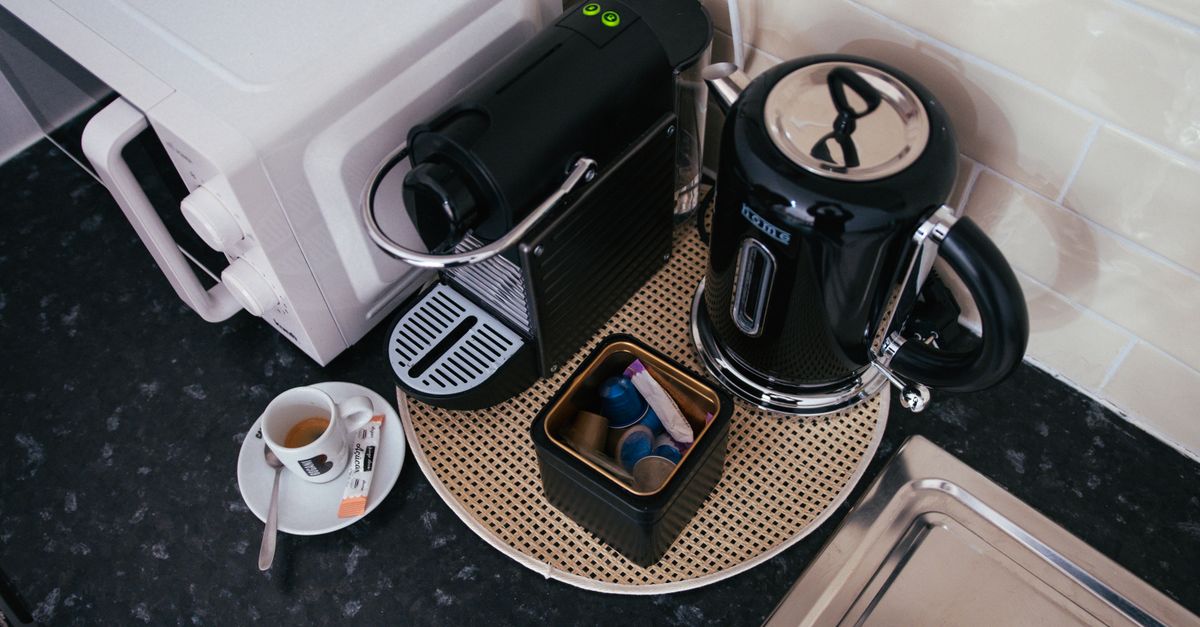
Philips produces machines for the L’Or Barista capsule system. It is important to note that L’Or machines are designed primarily for L’Or Double Shot capsules. While some L’Or Barista models are also compatible with Nespresso OriginalLine capsules, this compatibility is model-specific — Philips does not guarantee cross-compatibility across all variants. Check the specific model’s product page on Philips.co.uk or Amazon UK to confirm which capsule formats are supported before purchasing.
Capsule cost vs. bean-to-cup cost: As of June 2026, L’Or capsules retail at approximately £0.35–£0.45 per capsule on Amazon UK (prices correct as of June 2026 — check retailer for current pricing), equating to roughly 35–45p per espresso. By comparison, quality whole beans for a bean-to-cup machine typically cost £10–£18 per 250g from UK retailers such as Pact Coffee or Hasbean, yielding approximately 16–20g per double shot — a cost of roughly 8–15p per drink. Over 500 coffees (a typical year for a one-coffee-per-day household), the difference between capsule and bean-to-cup can exceed £100–£150 in consumable costs alone, partially or fully offsetting the higher upfront cost of a bean-to-cup machine.
Who it’s for: Speed and convenience above all else. Ideal for a small kitchen, an office, or someone who drinks one or two quick coffees a day and values minimal cleanup over running cost.
Does Philips Make App-Connected Coffee Machines?
This is a question buyers frequently raise when comparing Philips against De’Longhi (which offers the Link app) and Jura (J.O.E. app). The short answer is: largely no. As of June 2026, Philips does not offer a dedicated smartphone app for its Series 2200, 3300, 4300, or 5400 bean-to-cup machines. Customisation on these models is handled directly via the machine’s onboard display and physical controls. Philips has not announced app integration for its current UK lineup. Buyers for whom remote brewing, usage tracking, or app-based customisation is a priority should consider this a meaningful differentiator in favour of De’Longhi or Jura equivalents — at a typically higher price point.
In-Depth Look: Top Philips Coffee Machines for 2026
1. Philips Series 2200 EP2224/10 – Best Entry-Level Bean-to-Cup
The Philips Series 2200 EP2224/10 is the machine most UK buyers should start with if they want a fully automatic experience without overspending. Available for around £400–£430 from Amazon UK as of June 2026 (check retailer for current pricing), it offers a genuinely strong feature set for the price.
Key specs:
- Grinder: 100% ceramic, 12-step adjustment
- Water tank: 1.8 litres
- Bean hopper: 275g capacity
- Pump pressure: 15 bar (note: 15 bar is a standard marketing figure for home espresso machines; actual extraction pressure during brewing is typically 8–9 bar, which is the optimal range for espresso. This is consistent with industry norms and not specific to Philips.)
- Beverages: Espresso, coffee, hot water
- Milk frothing: Classic milk frother (steam wand with a simple frothing sleeve)
- Display: Touch display
- Dimensions: 246 x 371 x 433 mm
- Weight: 7.5 kg
What it does well
The 12-step ceramic grinder is a standout at this price point. Ceramic burrs run cooler than steel, preserving bean aroma during grinding. According to Philips’ official EP2224/10 product specification page (philips.co.uk), the ceramic grinder is rated for up to 20,000 cups — a manufacturer-stated durability figure that compares favourably against steel burr alternatives in this price bracket.
The Intelligent Brewing System manages water temperature and flow to extract consistently, and the My Coffee Choice menu lets you adjust aroma strength and cup size. Across Amazon UK, the EP2224/10 holds a rating of 4.4 out of 5 from over 1,200 reviews (as of June 2026), with reviewers frequently citing ease of setup and consistent cup quality from the first use.
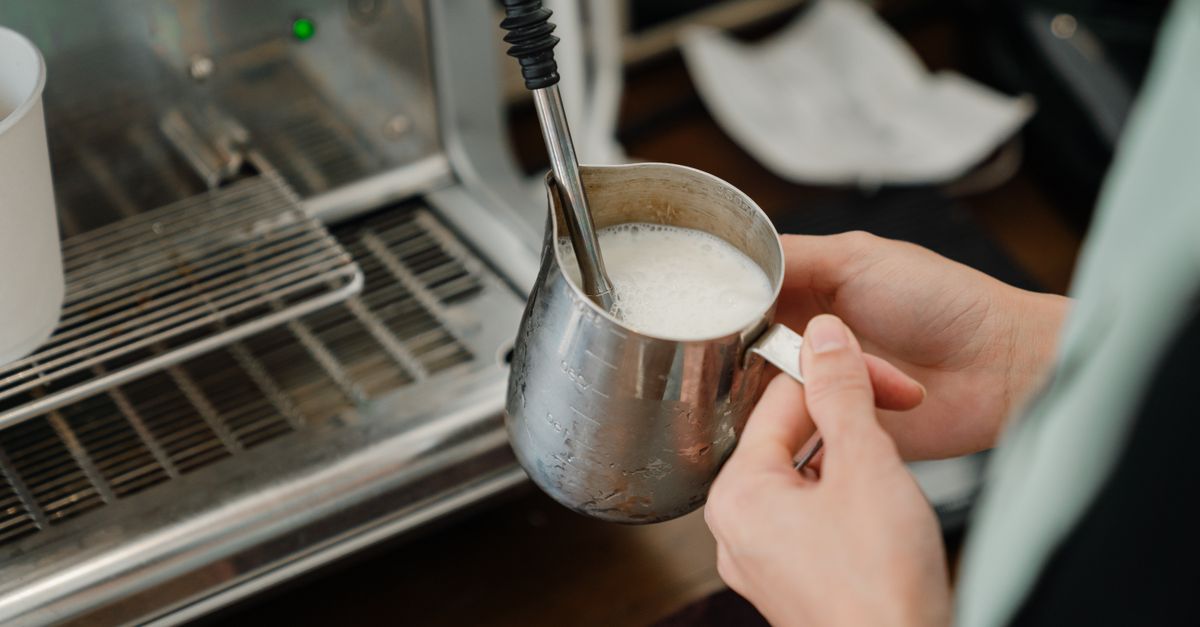
The classic milk frother is basic but effective. It uses a steam wand with a removable sleeve to heat and froth milk for cappuccinos and lattes. It takes a little practice to get silky microfoam, but for a machine in this price bracket, it works well.
Where it falls short
The milk frother is not automatic — you have to steam manually and then clean the wand immediately after each use. If you drink milk-based drinks daily, the LatteGo system on the Series 3300 is worth the additional outlay. See the upgrade comparison above for a full breakdown of whether the price difference is justified for your usage pattern.
Frequently Asked Questions
Which Philips coffee machine is best?
For most UK buyers in 2026, the Philips Series 3300 EP3347/50 offers the best balance of automation, milk drink quality, and value. If budget is the priority and you drink primarily black coffee, the Series 2200 EP2224/10 is the stronger choice. If you want hands-on espresso at a lower price point, the Baristina is the entry point.
Is Philips a good coffee machine brand?
Yes, for the fully automatic bean-to-cup category. GfK UK retail data consistently places Philips among the top-selling bean-to-cup brands in the UK. The Series range earns strong owner satisfaction scores — the EP2224/10 holds 4.4/5 across 1,200+ Amazon UK reviews as of June 2026 — and the brand’s LatteGo milk system is recognised by Which? as one of the more genuinely low-maintenance options in the category.
What is the difference between the Philips 2200 and 3300?
The primary difference is the milk system and beverage range. The Series 2200 uses a manual steam wand requiring hands-on technique and immediate cleaning. The Series 3300 adds the LatteGo two-part magnetic milk container, which delivers automatic frothing with no internal milk pipes to clean and a dishwasher-safe container. The 3300 also offers additional one-touch milk drinks including cappuccino and latte macchiato. The typical price difference is £80–£90 as of June 2026 (check retailer for current pricing).
Does Philips make a Nespresso machine?
Philips does not manufacture Nespresso machines — those are made by Breville (De’Longhi in some markets) under licence from Nestlé. Philips does produce the L’Or Barista range of capsule machines, which use L’Or Double Shot capsules. Some L’Or Barista models also accept Nespresso OriginalLine capsules, but this is model-specific — confirm compatibility on the Philips UK product page for the exact model you are considering before purchasing.
All prices cited are correct as of June 2026. Retail prices on Amazon UK and other platforms fluctuate frequently — always check the retailer directly for the current price before purchasing.