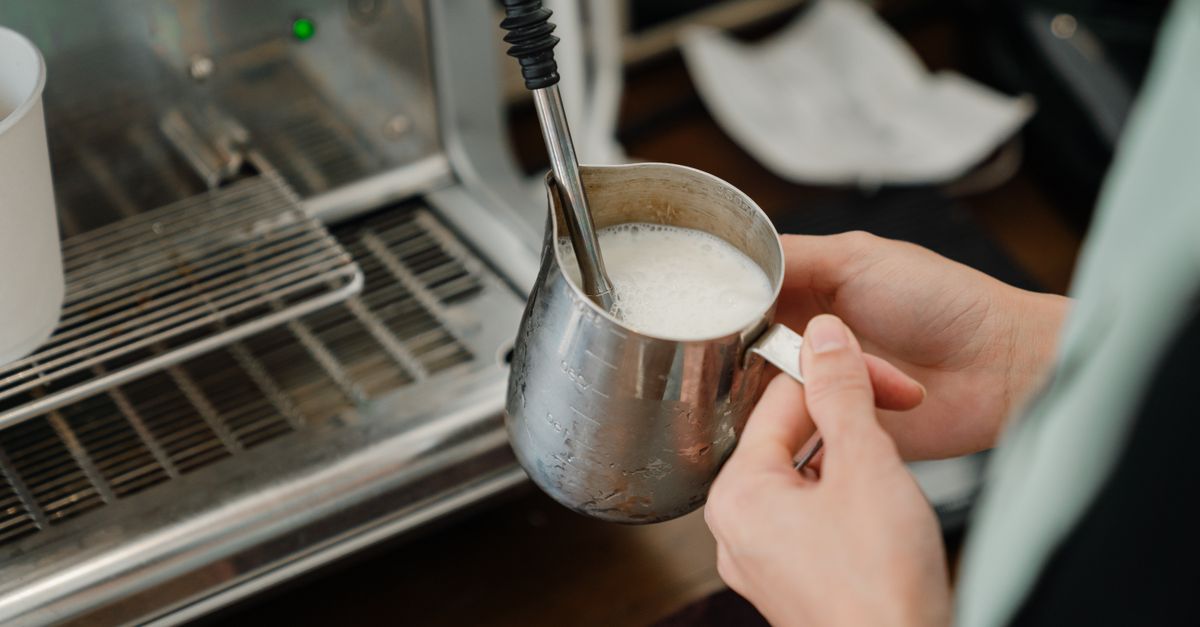
Best Milk Frothing Jug UK: Sizing, Spouts and Steaming Technique
A UK guide to milk frothing jugs — sizing to your drink, spout shapes, why material matters, and five picks for latte art and everyday steaming.
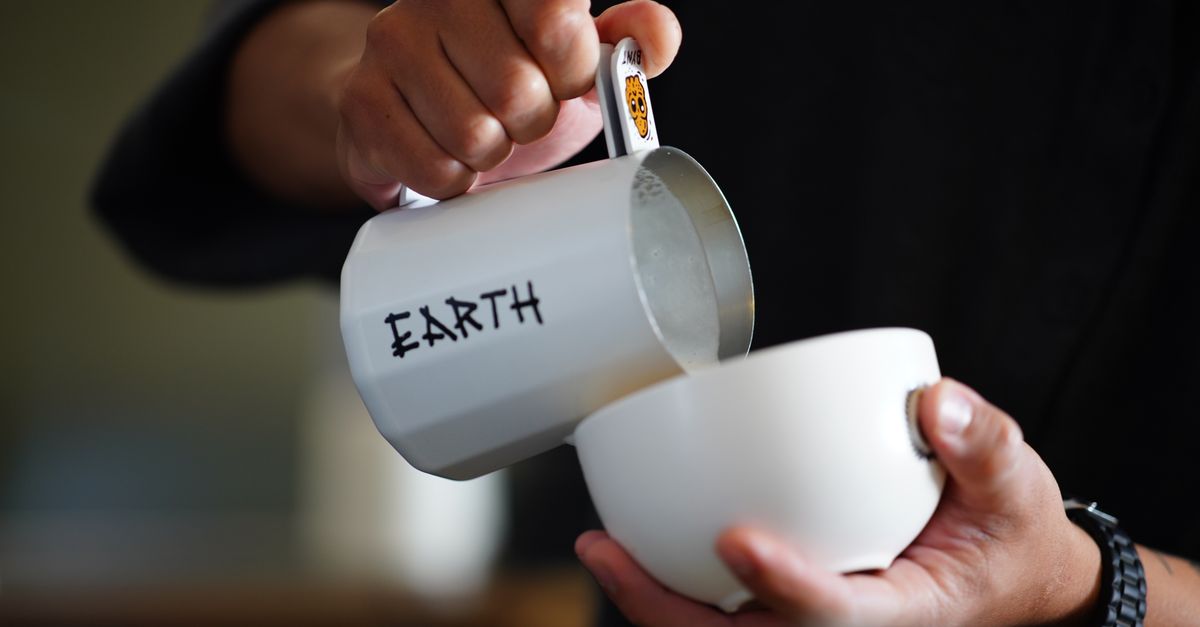
Best Milk Frothing Jug UK: Sizing, Spouts and Steaming Technique
The milk jug is the cheapest component in an espresso setup and the one that most directly limits what you can pour. A jug that is the wrong size makes good microfoam almost impossible, and a badly shaped spout makes latte art a lottery regardless of how well you steamed. This guide is based on desk research: manufacturer specifications, retailer listings, and owner reviews on Amazon UK and specialist coffee retailers rather than first-hand testing. Below you will find a shortlist, a comparison table, notes on five jugs, and the sizing and technique detail that actually determines results.
Quick Picks
| Best for | Model | Why we picked it |
|---|---|---|
| Best overall | Motta Europa 500ml | A sharp, well-defined spout that makes pouring predictable. |
| Best value | Rhino Classic 600ml | Widely stocked, solid stainless build, reliable spout shape. |
| Best for latte art practice | Barista Space sharp-spout 350ml | Narrow spout and small volume suited to single drinks. |
Comparison Table
| Model | Capacity | Spout | Material | Approx price |
|---|---|---|---|---|
| Motta Europa | 500ml | Sharp, defined | Stainless steel | around £25–£35 |
| Rhino Classic | 360ml / 600ml / 950ml | Medium taper | Stainless steel | around £15–£25 |
| Barista Space | 350ml / 600ml | Sharp, narrow | Stainless steel | around £15–£22 |
| Motta Aurora | 500ml | Very sharp | Stainless steel | around £30–£40 |
| Generic non-stick lined | 350ml / 600ml | Varies | Steel with coating | around £10–£18 |
Prices are indicative and were correct at the time of writing. Always check the current price before you buy.
Size Matters More Than Anything Else
This is the mistake almost everyone makes: buying one large jug and using it for everything.
Milk needs room to expand as air is incorporated, but it also needs enough depth for the steam wand tip to sit at the right level and set up a rolling vortex. Get the ratio wrong in either direction and good microfoam becomes very difficult.
The working rule is to fill a jug between one third and one half full — up to roughly the base of the spout. From that:
- 350ml jug — one 6oz drink (a flat white or a small cappuccino). Fill to about 150ml of milk.
- 500–600ml jug — one large or two small drinks. Fill to about 250–300ml.
- 900ml+ jug — two or three large drinks, or a household making several at once.
Too much milk and it climbs the jug and overflows before it is properly textured, and you cannot get the wand angle right. Too little milk and the wand tip cannot stay submerged at the correct depth — you get large bubbles and a stiff, dry foam instead of glossy microfoam.
For most home setups making one or two drinks, a 350ml and a 600ml pair covers everything. If you buy only one, a 500–600ml jug is the more versatile choice.
A practical caution: many domestic machines have a low-powered single-hole steam wand, which struggles to texture larger volumes. On those, a smaller jug with less milk gives noticeably better results than trying to steam 400ml at once.
Spout Shape Decides Your Pour
The spout is what converts steamed milk into a pattern in the cup, and the differences are real.
Sharp, narrow spouts — a tight, well-defined lip with a pronounced point — give a precise, controllable stream. That precision is what latte art needs: fine lines for rosetta definition, and a clean cut-through. The trade-off is that they are less forgiving when simply pouring a mug of coffee, and can dribble if you pour carelessly.
Rounded, wider spouts pour a broader stream that is easier to control for general use but blunt for detailed patterns.
Traditional tapered spouts sit between the two and are the sensible default if you are not chasing latte art.
Two other physical details worth checking:
- A flat, wide base helps establish the vortex and makes the jug stable on the worktop.
- Handle comfort and balance. You hold a jug of hot milk at an angle for a sustained pour; a badly balanced jug with a thin handle becomes unpleasant quickly.
Material: Why Bare Stainless Wins
Bare stainless steel is the right answer for almost everyone, and there is a specific reason beyond durability: you judge milk temperature by touching the jug.
Steamed milk for espresso drinks wants to reach roughly 60°C to 65°C. Above about 70°C the proteins begin to denature, the milk loses sweetness and takes on a scalded flavour, and the foam becomes unstable. The traditional technique is to hold the jug and stop when it becomes uncomfortably hot to keep your hand on — which corresponds closely to that range once you have calibrated your own hand.
That method only works with a bare metal jug. Non-stick coated and powder-coated jugs insulate your hand from the milk, so you lose the feedback. They also scratch, and the coating degrades over time. They look attractive and they are cheap, but they make the job harder.
If you would rather measure than feel, a jug-mounted or stick thermometer is inexpensive and removes the guesswork entirely while you learn.
The Best Milk Jugs in Detail
Motta Europa — the professional standard
Motta is an Italian manufacturer whose jugs are widely used behind commercial bars, and the Europa is the classic. According to Motta it is made from 18/10 stainless steel with a precisely formed spout designed for pouring definition.
The spout is the reason for its reputation: sharp, consistent, and predictable, which is exactly what latte art requires. The build is heavier than budget jugs, the base is broad and stable, and the handle is comfortable through a long pour.
Owner reviews consistently rate the spout and durability, with the main criticism being price relative to generic alternatives that look superficially similar. Expect around £25 to £35 at the time of writing.
Rhino Classic — the value workhorse
Rhino Coffee Gear produces well-regarded barista equipment at accessible prices, and its stainless jugs are a common sight in UK cafés and home setups alike. Available across a wide range of sizes, which makes it easy to buy a matched pair.
The spout is a moderate taper — good for general pouring and capable of latte art without being as sharp as a Motta. Build quality is solid, and availability in the UK is excellent.
Owner reviews are positive on value and durability. The main comment is that the spout is less defined than premium options, which matters only if you are chasing fine latte art detail. Expect around £15 to £25 at the time of writing.
Barista Space — sharp spout, low price
Barista Space jugs have become popular with home baristas learning latte art, largely because they offer a genuinely sharp spout at a budget price. The 350ml size in particular suits single-drink practice.
They are lighter than Motta jugs and the finish is less refined, but the spout geometry is the part that matters for pouring and it is good. Owner reviews are largely positive, with occasional comments about handle welds and finish consistency between units. Expect around £15 to £22 at the time of writing.
Motta Aurora — for fine latte art
The Motta Aurora takes the sharp-spout approach further, with a very pronounced point aimed at competitive-level pouring definition. If you already pour reasonable rosettas and want finer line control, this is the upgrade.
For anyone still learning the basics it is arguably too specialised — a very sharp spout is less forgiving of an unsteady pour. Expect around £30 to £40 at the time of writing.
Non-stick and coloured jugs — attractive, but
Coated jugs are widely sold, look good, and are cheap. They come with two real drawbacks: the coating insulates your hand so you lose temperature feedback, and coatings scratch and degrade with repeated washing and the inevitable knock against a portafilter.
They are a reasonable choice if you use a thermometer and want a specific colour to match a kitchen. For learning to steam by feel, bare stainless is meaningfully better. Expect around £10 to £18 at the time of writing.
Steaming Technique in Brief
- Purge the wand briefly before and after steaming, and wipe it immediately every time. Dried milk is very difficult to remove and unhygienic.
- Fill to the base of the spout — roughly a third to half full.
- Position the tip just under the surface, slightly off-centre, angled to set the milk spinning.
- Stretch first. In the first few seconds, keep the tip near the surface so it draws in air with a gentle hissing — like tearing paper, not a violent screech. This is where volume and foam are created.
- Then submerge and roll. Lower the jug slightly so the tip sits below the surface and the milk spins in a smooth vortex. This breaks large bubbles down into microfoam.
- Stop at 60–65°C — when the jug is uncomfortably hot to hold.
- Groom the milk. Tap the jug firmly on the worktop to burst surface bubbles, then swirl until it looks like wet glossy paint. If it looks dull or stiff, it is over-aerated.
- Pour promptly. Textured milk separates within a minute or two; swirl again if it starts to.
FAQ
What size milk jug do I need? Match it to your drinks. A 350ml jug suits a single 6oz flat white or cappuccino; a 500–600ml jug handles one large drink or two small ones; a 900ml jug suits three or more. The rule is to fill between a third and a half full, roughly to the base of the spout, because milk needs room to expand and enough depth for the wand to create a vortex. If you buy only one, a 500–600ml is the most versatile; a 350ml and 600ml pair covers everything.
Does the shape of the spout really matter? Yes, considerably, if you want latte art. A sharp, narrow spout produces a precise stream that lets you draw fine lines and cut cleanly through a pattern — that control is essentially impossible with a wide, rounded spout. If you only make milky coffee without patterns, a rounded or moderately tapered spout is easier to pour with day to day and the difference will not trouble you.
Should I buy a non-stick or coloured milk jug? Generally not. Coated jugs insulate your hand from the milk, and the standard way to judge temperature without a thermometer is to hold the jug and stop when it becomes too hot to keep your hand on — roughly 60–65°C. Coatings also scratch and degrade over time. Bare stainless steel is more durable and makes learning to steam by feel far easier. If you prefer a coated jug for looks, use a thermometer alongside it.
What temperature should steamed milk be? Around 60°C to 65°C. Below that the drink cools too quickly and tastes flat; above roughly 70°C the milk proteins denature, sweetness is lost, a scalded flavour develops and the foam becomes unstable and collapses. Without a thermometer, the jug becoming uncomfortably hot to hold is a reliable indicator once you have calibrated against a couple of measured pours.