The Best Moka Pot UK 2026: Stovetop Coffee Makers Worth Buying
A 2026 guide to the best moka pot options in the UK, from the classic Bialetti Moka Express to induction-ready steel picks.
The Best Moka Pot UK 2026: Stovetop Coffee Makers Worth Buying
A moka pot is the cheapest, most characterful way to brew strong coffee at home, and the market in 2026 is still dominated by a handful of proven designs. This guide is based on desk research: manufacturer specifications, retailer listings, and owner reviews on Amazon UK and John Lewis rather than first-hand testing. Below you will find our shortlist, a comparison table, detailed notes on five specific models, and a plain-English explanation of how these little stovetop pots actually work.
Quick Picks
| Best for | Model | Why we picked it |
|---|---|---|
| Best overall value | Bialetti Moka Express | The original 1933 design, widely available, inexpensive, and simple to live with. |
| Best for induction hobs | Bialetti Venus | Stainless steel body with a magnetic base that works on every hob type, including induction. |
| Best for a richer, crema-like cup | Bialetti Brikka | A pressure-valve design aimed at a thicker, more intense brew than a standard moka pot. |
Comparison Table
| Model | Material | Sizes (cups) | Induction? | Approx price |
|---|---|---|---|---|
| Bialetti Moka Express | Aluminium | 1, 2, 3, 4, 6, 9, 12, 18 | No | around £22–£35 |
| Bialetti Venus | Stainless steel (18/10) | 4, 6, 10 | Yes | around £40–£50 |
| Bialetti Brikka | Aluminium (with pressure valve) | 2, 4 | No | around £40–£55 |
| Grosche Milano | Aluminium (steel/induction versions exist) | 1, 3, 6, 9 | Only the steel/induction version | around £25–£35 |
| Alessi 9090 | Stainless steel | 1, 3, 6 | Yes | from around £120 |
Prices are indicative and were correct at the time of writing; moka pots are discounted often and vary by size and colour, so always check the current price before you buy.
The Best Moka Pots in Detail
Bialetti Moka Express — the default choice
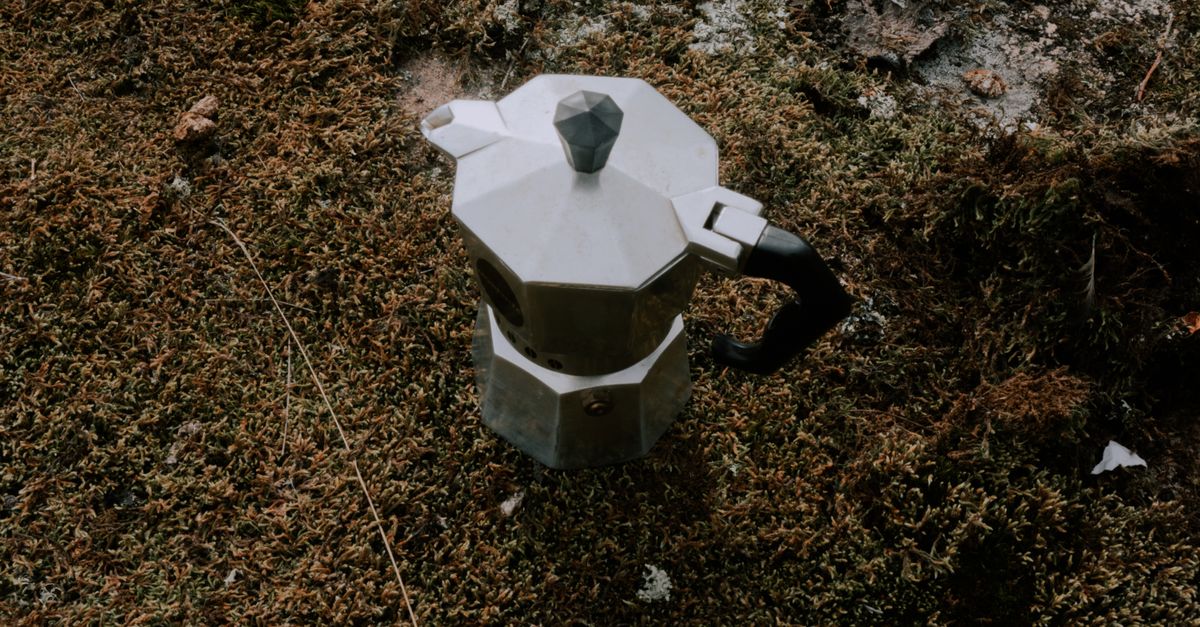
The Bialetti Moka Express is the pot most people picture when they hear the words “moka pot”, and for good reason. According to the manufacturer, Alfonso Bialetti designed the octagonal aluminium body in 1933, and the shape has barely changed since. That eight-sided design is not just styling; Bialetti says the facets help spread heat around the base so the water inside heats evenly.
It is made from aluminium, which heats quickly and keeps the pot light and cheap to produce. The trade-off is that aluminium is not magnetic, so the classic Moka Express will not work on an induction hob — it is strictly for gas, ceramic, or electric-plate cookers. Owner reviews on Amazon UK frequently praise how long these pots last, with many buyers reporting years of daily use, though the rubber gasket and filter plate are consumable parts you will eventually need to replace (Bialetti sells replacements cheaply).
The Moka Express comes in an unusually wide range of sizes, from a single-serving 1-cup up to an 18-cup catering monster, with the 3-cup (roughly 130ml) and 6-cup (roughly 300ml) being the most popular for home kitchens. Expect to pay around £22 to £35 depending on size and finish at the time of writing, which makes it one of the cheapest ways into proper stovetop coffee — but do check the current price, as it fluctuates and is often reduced.
If you have a gas or electric hob and simply want a reliable, affordable pot, this is the sensible starting point. If you have induction, skip ahead to the Venus or Alessi.
Bialetti Venus — the induction-friendly all-rounder
The Bialetti Venus is the pot to reach for if your kitchen has an induction hob or you simply want something more durable and dishwasher-tolerant than aluminium. According to Bialetti’s specifications, the Venus is built from 18/10 stainless steel with a magnetic base, which means it is compatible with every hob type — induction included — rather than just gas and electric.
Stainless steel brings a couple of advantages beyond induction compatibility. It does not react with coffee the way bare aluminium can, it wipes clean easily, and the rounded, mirror-polished body looks smarter on the hob than the utilitarian Moka Express. Owner reviews on Amazon UK generally describe the build as solid, though a few note that steel pots take slightly longer to come up to temperature than aluminium ones, which is the physics of the heavier material rather than a fault.
The Venus is sold in 4-cup, 6-cup, and 10-cup sizes. Based on recent Amazon UK listings, the 6-cup sits at around £40 to £50 at the time of writing, so it is meaningfully dearer than the aluminium Moka Express — you are paying for the steel and the induction base. Check the current price, as steel pots are discounted less predictably than the classic aluminium models. For most people with a modern kitchen, the Venus is the easiest recommendation: it does everything the Moka Express does and works on any hob.
Bialetti Brikka — for a thicker, more intense cup
The Bialetti Brikka is Bialetti’s attempt to push a stovetop pot closer to the intensity of café coffee. Where a standard moka pot lets brewed coffee flow freely into the top chamber, the Brikka adds a weighted pressure valve that holds back the flow until a higher pressure builds, then releases it in bursts. The manufacturer markets it as the moka pot capable of producing a crema-rich brew.
It is worth being honest about what that crema is. A moka pot cannot reach the roughly 9 bar of pressure an espresso machine uses, so the foam a Brikka produces is a light, bubbly layer rather than the dense, lasting crema you get from a proper espresso — owner reviews are mixed on how substantial it is, and it does tend to dissipate fairly quickly. What is less disputed is that the Brikka produces a noticeably thicker, more concentrated cup than the standard Moka Express, which many people prefer for milk drinks.
The Brikka is aluminium, so like the Moka Express it is not suitable for induction hobs. It is generally sold in 2-cup and 4-cup sizes, and it typically costs more than an equivalent Moka Express — expect around £40 to £55 at the time of writing, though you should check the current price. Most guides, ourselves included, would steer a complete beginner to the simpler Moka Express first, but if you already know your way around a moka pot and want a bolder result, the Brikka is the interesting upgrade.
Grosche Milano — a value alternative with a steel option
The Grosche Milano is a popular non-Bialetti option, and it is a useful reminder that Bialetti does not have a monopoly on the format. According to the manufacturer, the standard Milano is a classic aluminium moka pot with a soft-touch, stay-cool handle and an Italian-style safety valve, sold in 1, 3, 6, and 9-cup sizes and a range of colours.
The key thing to understand before buying is the material. The everyday Milano is aluminium and, like any aluminium pot, is not designed for induction hobs. Grosche also makes a stainless steel line — variously sold as the Milano Steel or Milano Induction — which is built for induction, gas, and electric cookers and is described as dishwasher safe. If induction matters to you, make sure you are buying the steel or induction version rather than the standard aluminium pot, because the two look similar in listings.
On price, the Grosche Milano generally sits in the same affordable bracket as the Bialetti Moka Express, roughly £25 to £35 depending on size, material, and colour at the time of writing — check the current price, as the coloured and steel versions can cost more than the plain black one. It is a sensible pick if you want something a little different from the ubiquitous Bialetti, and the soft-touch handle is a genuine convenience.
Alessi 9090 — the design-led splurge
If money is no object and you want a moka pot as an object, the Alessi 9090 is the one to know about. Designed by Richard Sapper and first released in 1979, it is part of the permanent design collection at several museums, and Alessi still produces it today. It is made from polished stainless steel and, according to Alessi, has a wide magnetic base that makes it suitable for all hob types including induction — even the smallest version is said to have a large enough contact surface to sit stably on an induction ring.
Beyond the looks, the 9090 has some genuinely thoughtful details: a wider, more stable base than most pots, and a lid catch designed to stay put. Because it is steel with a magnetic base, it shares the Venus’s practical advantages of induction compatibility and easy cleaning.
What you are really paying for, though, is the design pedigree, and that shows in the price. UK price-comparison sites list the Alessi 9090 from around £119 at the time of writing, and larger sizes cost more, so it is several times the price of a Bialetti. It brews the same low-pressure stovetop coffee as any other moka pot — you are not buying a better cup, you are buying a beautiful, long-lasting object. Check the current price and confirm the size before ordering.
How a Moka Pot Works (and How to Use One)
A moka pot is a three-part device: a bottom chamber for water, a funnel-shaped basket for ground coffee that sits on top of the water, and an upper chamber where the finished coffee collects. When you put it on the hob, the heat warms the water in the sealed base and generates steam. That steam builds a modest amount of pressure — typically around 1 to 2 bar — which pushes the hot water up through the coffee grounds, through a central spout, and out into the top chamber.
It is important to be realistic about what that means. A domestic espresso machine brews at roughly 9 bar; a moka pot manages only about 1 to 1.5 bar in practice. So although moka pots are often sold as “stovetop espresso makers”, the coffee they produce is not true espresso. There is not enough pressure to emulsify the oils and force out the dense crema that defines espresso. What you get instead is a strong, bold, concentrated stovetop coffee — closer in spirit to espresso than a cafetière or filter, but chemically a different drink. If that distinction matters to you, set your expectations to “rich and intense” rather than “café espresso with thick crema”.
Using one is straightforward once you know the rhythm:
- Fill the base with water up to the level of the safety valve — no higher. Many enthusiasts use pre-boiled hot water so the pot spends less time heating on the hob, which can reduce bitterness.
- Fill the basket with coffee ground to a medium-fine “moka” grind, a little coarser than espresso grind. Level it off with a finger; do not tamp it down, as packing the grounds too tightly can choke the flow and build excess pressure.
- Assemble and heat on medium-low. Too high a flame scorches the coffee and can make it harsh. Leave the lid open so you can watch.
- Listen for the gurgle. When the top chamber fills and you hear a spluttering, hissing sound, the brew is finished. Take the pot off the heat straight away — letting it run on burns the last of the coffee.
- Cool the base by running the bottom under a cold tap for a few seconds to stop extraction, then pour and serve.
A quick word on maintenance: rinse the pot with water rather than washing aluminium versions with harsh detergent, dry the parts thoroughly, and check the rubber gasket periodically. Gaskets and filter plates are cheap consumables, and replacing a perished gasket is the usual fix for a pot that has started to leak steam.
Induction Compatibility: Aluminium vs Steel
This is the single most common buying mistake, so it is worth spelling out. Induction hobs work by generating a magnetic field, which only heats magnetic (ferrous) metals. Aluminium is not magnetic, so a classic aluminium moka pot — the standard Bialetti Moka Express, the Bialetti Brikka, and the aluminium Grosche Milano — will simply not heat up on an induction hob. Those pots are for gas, ceramic, and electric-plate cookers only.
If you have induction, you need a pot with a magnetic base. That means either a stainless steel pot such as the Bialetti Venus, the Grosche steel/induction version, or the Alessi 9090; or one of the hybrid designs that pair an aluminium body with a bonded magnetic steel plate on the bottom, such as Bialetti’s dedicated Moka Induction range. When in doubt, look for the words “induction” or “suitable for all hobs” in the specification, and treat any pot described only as “aluminium” as gas-and-electric only.
FAQ
Is a moka pot real espresso? No, not in the technical sense. Espresso is defined by being brewed at around 9 bar of pressure, which is what produces its thick crema and syrupy body. A moka pot only reaches about 1 to 2 bar, so it makes a strong, concentrated stovetop coffee rather than true espresso. It is an excellent, affordable way to get an intense, espresso-adjacent cup at home, and it works beautifully as the coffee base for a milky drink — just do not expect café-quality crema from it.
Aluminium or stainless steel — which should I choose? Aluminium pots such as the Bialetti Moka Express are lighter, cheaper, and heat up fast, and many people feel the classic design is part of the charm. Stainless steel pots such as the Bialetti Venus or Alessi 9090 cost more but are more durable, easier to clean (often dishwasher safe), do not react with the coffee, and — crucially — can be made induction compatible. If budget is your priority and you have a gas or electric hob, aluminium is fine. If you want longevity, easy cleaning, or induction, choose steel.
Can I use a moka pot on an induction hob? Only if it is designed for it. Standard aluminium moka pots will not work on induction because aluminium is not magnetic. You need a stainless steel pot with a magnetic base, or a hybrid pot with a bonded steel plate on the bottom. Good induction-ready options include the Bialetti Venus, the steel/induction version of the Grosche Milano, the Alessi 9090, and Bialetti’s dedicated Moka Induction models. Always confirm “induction” or “all hob types” in the product specification before buying.
What do the “cup” sizes actually mean? Moka pot “cups” are small Italian espresso-sized servings of roughly 40 to 60ml each, not full mugs. So a 6-cup pot makes around 300ml of coffee in total — enough for two generous mugs or several small servings — rather than six mugs. It is easy to over-buy here: a 6-cup pot is a good all-round household size, while the 3-cup suits one or two people. Also note that moka pots brew best when filled to their intended capacity, so it is worth matching the pot size to how much you usually drink rather than buying the biggest one.