Light vs Dark Roast Coffee UK: Which Roast Should You Buy in 2026?
Roast level is the decision that shapes your cup more than origin, process or price. Identical green beans from the same farm can leave the roaster as two…
Light vs Dark Roast Coffee UK: Which Roast Should You Buy in 2026?
Roast level is the decision that shapes your cup more than origin, process or price. Identical green beans from the same farm can leave the roaster as two completely different drinks — one bright, juicy and fruit-forward, the other deep, chocolatey and faintly smoky — purely because of how far the roast was pushed. For UK buyers the question of light vs dark roast is made harder by the fact that supermarket shelves lean heavily dark while speciality roasters push increasingly light profiles, so it is genuinely difficult to know what you are paying for. This guide works through the temperatures, the caffeine science, the UK-specific variables nobody else covers, and the beans worth buying in 2026.
Affiliate disclosure: this site earns a commission on purchases made through links on this page. That does not change what we recommend. Selections here are based on published roaster and manufacturer specifications, aggregated owner-review consensus, and dated UK retailer listings — never on hands-on testing. This article is written to meet CAP, ASA and CMA expectations on advertising transparency. Prices are indicative only and move constantly between retailers.
Quick picks at a glance
| Pick | Roast level | Best for | Typical UK price |
|---|---|---|---|
| Square Mile Coffee Roasters (Sweetshop / Red Brick) | Medium-light | Buyers who want fruit and clarity, filter or espresso | around £12–£16 per 350g at the time of writing |
| Rave Coffee Italian Job | Dark (roaster states City+ to Full City) | Milk drinks and classic chocolate-nut espresso | roughly £9–£13 per 250g |
| illy Classico | Medium | One bag that works in almost any brewer | typically £7–£11 per 250g |
| Lavazza Rossa | Dark, 70/30 Arabica/Robusta | Traditional Italian-style espresso, moka pot, big caffeine | varies by pack size and promotion |
| Pact Coffee | Light-to-medium range | Anyone who wants a printed roast date on a subscription | varies by plan — check current SKUs on Pact’s site |
How roast level works: first crack, drop temperature and the Agtron scale
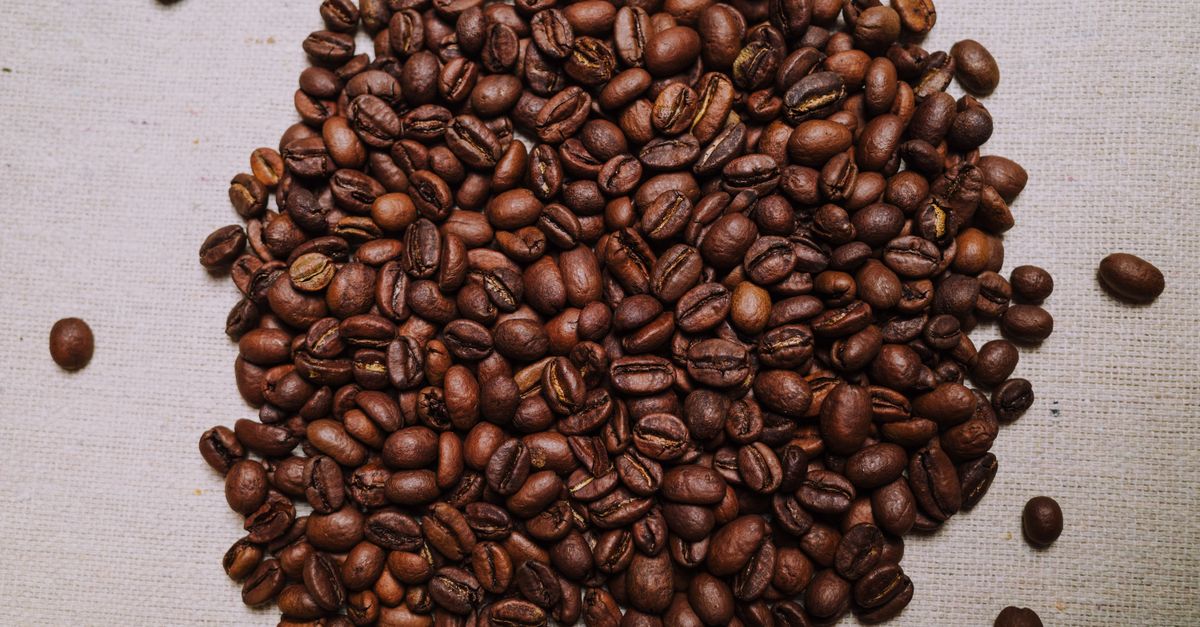
Green coffee is heated until it undergoes chemical and physical changes that build flavour and aroma, and it is the combination of time and temperature that decides whether the finished bag is classed light, medium or dark. The SCA’s Roasters Companion sets the industry’s reference scale — the Agtron reading — which puts light roast at 60–75, medium at 45–59 and dark at 25–44. Lower numbers mean a darker bean, because the measurement reflects how much light the ground coffee reflects.
The pivotal moment in any roast is first crack, which occurs at roughly 196°C on a bean probe. That is the point where moisture inside the bean turns to steam and fractures the cell structure, producing the audible crack. A light roast is dropped shortly after first crack, typically around 196–205°C bean-probe. Anything measured at 175°C is pre-crack — the beans have not yet popped, and it is not a finished roast level, despite what some informal guides suggest.
Dark roasts are pushed considerably further, into a defensible band of roughly 210–225°C bean-probe. Very dark “French” or “Italian” labels continue to second crack at around 224°C and beyond, and anything at 240°C+ approaches carbonisation, where you are tasting char rather than coffee. That last point matters for UK shoppers: carbonised beans are not typical UK retail product, so if a bag tastes burnt, the roast was mishandled rather than “extra dark”.
One caveat worth flagging before you compare any two roasters. Roasters publish bean-probe temperatures, environmental (drum air) temperatures, or drop temperatures, and they do not use the terms consistently. A “210°C” figure from one roaster may describe a different measurement point than “210°C” from another, so treat published temperatures as a rough indication of roast level rather than a directly comparable number. The Agtron band and the words on the bag are more reliable guides.
What the words on UK and EU coffee bags actually mean
Roast nomenclature on this side of the Atlantic is borrowed from the American trade tradition, and it appears on UK and EU bags far more often than “light” or “dark”:
- City — light-medium; the closest thing to a UK “light roast” label outside speciality roasters.
- Full City — medium-dark; the classic British espresso middle ground.
- Vienna — dark; oils beginning to surface, roast character taking over.
- French / Italian / Continental — very dark, roasted into second crack at around 224°C and beyond.
The practical UK takeaway: most supermarket “dark” coffees sit at Vienna or Full City rather than true French or Italian levels. If you have been disappointed that a supermarket dark roast was not as intense as you expected, that is usually why — the label says dark, but the roast stops well short of second crack.
The caffeine question: per bean, per gram, per cup
Caffeine is the most misunderstood part of the light-versus-dark debate, so it is worth separating three different measurements.
Per bean, light roast retains marginally more caffeine. Roasting degrades a small amount of it — published data suggests the loss stays at or under about 10%, a figure set out in Farah et al. (2006) in Food Chemistry and reflected in the Institute for Scientific Information on Coffee’s (ISIC) published material. So a light-roasted bean does arrive at the grinder with slightly more caffeine than its dark-roasted twin.
Per gram, that advantage largely evaporates. Dark-roasted beans are less dense: the cell walls have expanded and the bean has lost roughly 15–20% of its moisture during the longer roast. That means a scoop of dark roast holds more individual beans than the same scoop of light roast, and the extra beans cancel out the per-bean difference. According to World Coffee Research and ISIC published data, per-gram caffeine is approximately equal, or marginally higher in light roast.
Per brewed cup, the difference is negligible in real-world terms. Dose and brew ratio dominate everything: a 20g basket of any roast delivers far more caffeine than a 12g basket of any other. If caffeine is your priority, weigh your coffee and adjust your ratio.
The UK-specific wrinkle is that most British drinkers conflate “strong” with “dark”. A big part of that is Robusta. Italian-style blends sold in UK supermarkets — Lavazza Rossa, Lavazza Super Crema, and most supermarket own-brand espresso blends — include Robusta alongside Arabica, and Robusta carries roughly double the caffeine of Arabica regardless of roast level. Lavazza’s own published specification for Rossa is around 70% Arabica and 30% Robusta. So when a supermarket espresso tastes powerful, the blend is doing the work, not the roast colour.
What is actually on UK shelves: supermarket roast levels
According to the retailers’ own product pages, accessed in 2026, the own-brand range splits roughly like this:
- Tesco Finest Sumatra — dark
- Waitrose 1 Ethiopia — light
- Sainsbury’s Taste the Difference Colombia — medium
- Aldi Specially Selected Peruvian — medium-dark
- Lidl Bellarom Espresso — dark, Robusta blend
Two things stand out. First, genuine light roast is still rare in own-brand ranges — the Waitrose 1 Ethiopia is the outlier, not the norm. Second, several of these sit between categories, which is exactly why relying on the bag word alone can mislead you. Cross-check the origin: an Ethiopian or Kenyan single origin described as dark is usually a roast that has been taken further than the bean really wants.
Water hardness: the UK variable most buyers ignore
Your tap water changes how a roast tastes, and the UK has dramatic regional variation. Thames Water’s published data puts London and the South-East at roughly 200–300mg/L calcium carbonate — hard water. Scottish Water’s published figures for Scotland and Wales typically come in under 50mg/L — soft water.
Hard water buffers and suppresses acidity. In practice, that means a light roast’s sharp, fruit-forward edge tastes rounder and more approachable, which is one reason light roast often works well in London and the South-East despite the region’s supermarket shelves favouring dark. Soft water amplifies acidity, so the same light roast can read as aggressively sharp in Scotland or Wales; the practical fixes are a coarser grind or stepping to a slightly darker roast to bring the cup back into balance.
Roast date versus best-before: the real UK buying divide
The ingredient list on a coffee bag is not where quality lives — the date is. UK speciality roasters such as Square Mile, Rave, Hasbean, Origin and Pact print an actual roast date on the bag, so you know exactly how long the coffee has rested. Most supermarket stock shows only a best-before date, typically 12–24 months from roasting. That is not a freshness benchmark; it is a legal shelf-life statement.
This is arguably the single biggest difference between the two halves of the UK market, and it has nothing to do with roast level at all. A freshly roasted dark coffee will out-drink a stale light one every time.
Brewing light and dark roast: the numbers that matter
Light roast beans are denser before roasting and remain denser after it, which means they resist water and need more help to extract fully. Light roast requires a higher brew temperature and a finer grind than dark roast to reach an equivalent extraction yield — that single principle explains most of the adjustment new buyers have to make.
Light roast filter (V60), per the SCA Brew Standard: a 1:16 ratio, water at 93–96°C, a medium-fine grind, and a total brew time of 3–4 minutes.
Dark roast espresso, per published brew guides from roasters such as Rave and Origin: a 1:2 ratio, water at 90–93°C, and a 25–30 second shot. The lower temperature is deliberate — dark roast already carries considerable bitterness from the extended roast, and pulling it hotter compounds that.
UK café culture: why dark still rules the high street
Flat whites and lattes dominate British coffee ordering, and most UK espresso bars pull dark-to-medium blends designed to punch through milk. That is a sound commercial decision: milk mutes delicate fruit and floral notes, so a light roast served as a latte often reads as thin and sour rather than complex. Light roast espresso remains a niche pursuit outside speciality independents in the UK. If you drink mostly milk-based coffees at home, that is a strong argument for choosing dark or medium-dark and saving the light stuff for filter.
The picks in detail
Square Mile Coffee Roasters: best for light-roast buyers
Best for: anyone who wants to taste fruit and acidity, and who brews filter or is willing to dial in espresso properly.
What it is: Square Mile is one of the London roasters driving the UK’s lighter-roast shift, and it prints a roast date on every bag — the freshness marker discussed above. Square Mile describes its Red Brick as an “espresso blend” at a medium-light roast, and the Sweetshop line offers a similarly juicy, fruit-forward profile that works as either espresso or filter. Round Hill and Has Bean publish comparable light profiles if you want to cross-shop the same style.
Standout strength: genuine origin character. Light roasting preserves the bean’s own fruity, floral and citrus notes rather than replacing them with roast flavour, and the printed roast date means you can brew it at its best rather than guessing.
Honest caveat: light roast is less forgiving. You will need a finer grind and hotter water than you would with a supermarket dark, and if your water is soft — typical in Scotland and Wales — the acidity can read as sharp until you coarsen the grind or nudge the roast level darker.
Verdict: the clearest single upgrade for a UK buyer who has never tried a properly light roast.
Where to buy: direct from Square Mile’s own online shop, alongside the comparable profiles from Has Bean and Round Hill. Expect around £12–£16 per 350g at the time of writing — indicative only.
Rave Coffee Italian Job: best dark roast
Best for: milk drinks, moka pot, and anyone who wants chocolate and nuts rather than fruit.
What it is: Rave’s own product page describes Italian Job as a “dark roast” sitting at City+ to Full City. That is a meaningful detail — it is a dark roast in the British espresso tradition, not a French or Italian roast driven into second crack. Rave prints roast dates, so this sits on the fresh side of the UK divide.
Standout strength: it does exactly what a dark roast should do through milk. The chocolate and hazelnut profile survives a flat white or latte without turning thin, and the Full City positioning means you get roast sweetness rather than the smoky, ashy edge that very dark roasts can carry.
Honest caveat: because it stops at Full City rather than Vienna or French, buyers chasing maximum roast intensity may find it milder than they expected. If you want smoke and tar, you need a bag labelled Vienna or beyond.
Verdict: the safest dark roast to buy blind in the UK, and the natural counterpart to a light roast in the same cupboard.
Where to buy: direct from Rave Coffee. Roughly £9–£13 per 250g on current listings — indicative only.
Lavazza Rossa: best supermarket dark blend
Best for: traditional Italian-style espresso, moka pot brewing, and drinkers who want the caffeine hit that Robusta brings.
What it is: Lavazza’s published specification lists Rossa at approximately 70% Arabica and 30% Robusta, in a dark roast. It is stocked at Tesco, Waitrose and Ocado, so it is the easiest of these picks to find on a normal weekly shop.
Standout strength: consistency and availability. It is a mass-market blend engineered for repeatability, and the Robusta content means it delivers a fuller body and a noticeably higher caffeine load than an all-Arabica dark roast.
Honest caveat: the strength you taste comes from the blend, not the roast colour. Robusta carries roughly double the caffeine of Arabica regardless of roast level, so Rossa is a poor reference point if you are trying to judge what dark roasting alone does to caffeine. It also shows best-before rather than roast dates, so freshness depends on turnover at your local store.
Verdict: the pragmatic choice when you want a dependable dark espresso from the supermarket shelf.
Where to buy: Tesco, Waitrose and Ocado. Price varies with pack size and promotion, so any figure you see is indicative.
Pact Coffee: best subscription with a printed roast date
Best for: buyers who want fresh, dated coffee delivered without hunting for a local roaster.
What it is: Pact operates on a subscription model with a light-to-medium range and a roast date printed on the bag. Because the range rotates, the exact coffees available change over time — check current SKUs on Pact’s own site rather than relying on a fixed listing.
Standout strength: it solves the freshness problem that dominates UK supermarket coffee. You are drinking weeks-old coffee at best from most grocers; a subscription with a roast date gets you much closer to the roaster.
Honest caveat: it is a subscription, so the commitment and the rotating menu both matter. If you prefer to choose a specific origin each time, a la carte ordering from a roaster suits better.
Verdict: the most convenient route into the fresh, lighter-roasted end of the UK market.
Where to buy: direct from Pact’s website. Pricing varies by plan and bag size — check the current options.
illy Classico: best all-rounder
Best for: households with more than one brewer, or anyone who does not want to think hard about roast level.
What it is: a medium roast, sitting squarely in the 45–59 Agtron band, and widely stocked across UK supermarkets and online grocery retailers. It is engineered for consistency across batches.
Standout strength: flexibility. A medium roast is forgiving in a way neither extreme is — it works in a filter machine, a French press, an espresso machine and a moka pot without demanding grind or temperature adjustments, and it is neither so acidic that soft-water areas punish it nor so roasted that milk drinks taste flat.
Honest caveat: it is deliberately between the two camps, so if you want the fruit-forward clarity of a light roast or the deep chocolate of a dark one, medium will feel muted by comparison. It also uses best-before dating rather than a roast date.
Verdict: the correct default for a mixed household and the easiest starting point if you are unsure which side of the light-versus-dark divide you sit on.
Where to buy: widely stocked across UK supermarkets and online grocery retailers. Typically £7–£11 per 250g — indicative only.
Frequently asked questions
Is dark roast coffee stronger than light roast? Not in caffeine terms, per brewed cup. Roasting degrades only a small amount of caffeine — under about 10% according to Farah et al. (2006) in Food Chemistry and ISIC published data — and because dark beans are less dense, a scoop contains more of them, which cancels most of the difference. What actually makes a coffee taste and feel “strong” is dose, brew ratio, and whether the blend contains Robusta, which carries roughly double the caffeine of Arabica regardless of roast.
What do City, Full City, Vienna and French mean on a UK bag? They are the American trade terms most UK and EU roasters print instead of “light” and “dark”. City is light-medium, Full City is medium-dark, Vienna is dark, and French, Italian or Continental means very dark and roasted into second crack at around 224°C and beyond. Most UK supermarket dark roasts sit at Vienna or Full City rather than French, which is why they often taste less intense than the label implies.
Does light roast need a different grind and water temperature? Yes — light roast beans are denser and resist water, so they need a finer grind and hotter water to reach the same extraction. For a V60, the SCA Brew Standard suggests a 1:16 ratio, water at 93–96°C, a medium-fine grind and a 3–4 minute total brew. Dark roast espresso, by contrast, is typically pulled at a 1:2 ratio with water at 90–93°C over 25–30 seconds, per published guides from roasters such as Rave and Origin.
Why do most UK supermarket coffees not show a roast date? Supermarket coffee is labelled with a best-before date, which typically runs 12–24 months from roasting — a shelf-life statement rather than a freshness guarantee. Speciality roasters including Square Mile, Rave, Hasbean, Origin and Pact print an actual roast date instead. If freshness is your priority, that single line on the bag separates the two halves of the UK market more reliably than any roast-level description.
Which roast should I buy for a flat white or latte? Dark to medium-dark is the practical choice, which is why most UK espresso bars pull blends in that range. Milk mutes delicate fruit and floral notes, so a light roast served as a latte frequently tastes thin or sour rather than complex, and light roast espresso remains a niche pursuit outside speciality independents. If you drink mostly milk-based coffee at home, spend your money on a well-roasted dark blend rather than a light single origin.
Can the water in my area change how a roast tastes? Yes, and the UK variation is large. Thames Water’s published data puts London and the South-East at roughly 200–300mg/L calcium carbonate — hard water, which buffers acidity and tends to make a light roast taste rounder and more approachable. Scottish Water’s figures for Scotland and Wales are typically under 50mg/L — soft water, which amplifies acidity and can make the same light roast taste sharply sour; a coarser grind or a slightly darker roast usually balances it out.
The bottom line
Roast level is a flavour decision first and a caffeine decision barely at all. Choose light — from roasters like Square Mile, or the Waitrose 1 Ethiopia if you want a supermarket option — if you drink filter and want fruit and clarity. Choose dark — Rave’s Italian Job, or Lavazza Rossa for convenience — if you drink milk-based coffee and want chocolate and body. And whichever side you land on, check the date: a printed roast date beats a best-before every time.